

-
-
ꁇHome Decoration Main Materials
-
ꁇCommercial Decoration Main Materials
-
ꁇGeneral Auxiliary Materials
-
ꁇHardware & Fittings
-
ꁇLighting & Electrical
-
ꁇDoors & Windows
-
ꁇSoft Decoration & Home Products
-
ꁇTools & Equipment
-
ꁇSpecial Engineering Materials
-
ꁇCustomer Service
-
ꁇSpecial Zones
-
Fraud Prevention Common Scams When Importing Building Materials from China and How to Avoid Them
In November 2025, a contractor in Dubai wired a 30% deposit — $47,000 — to a supplier in Foshan for two containers of ceramic tiles. The supplier sent daily WeChat messages with factory photos, loading schedules, and a vessel name. Two weeks before the scheduled departure date, the WeChat account went silent. The phone number disconnected. The address on the proforma invoice belonged to a virtual office that had been rented for three months.
The contractor never recovered the deposit. He is not alone. This article breaks down the three most common fraud schemes we see in building materials trade with China — and the three verification tools that would have stopped every single one before the money left the buyer's account.

Every legitimate supplier should have a verifiable physical address — not just a virtual office lease.
Scam One: The Deposit-and-Disappear
This is the simplest and most common scheme. The scammer presents as a legitimate supplier. They have a website, a catalog, competitive prices, and responsive sales staff. They ask for a 30% deposit by T/T — telegraphic transfer — to a corporate bank account. Once the money clears, they vanish.
In some cases, the supplier is not a real company at all. The website is a clone of a legitimate factory's site with altered contact details. The catalog is scraped from Alibaba. The bank account is opened with a shelf company registered weeks earlier. In other cases, the supplier is a real trading company that has simply run out of cash and is using new deposits to pay old debts. Either way, the buyer has no recourse. Chinese police will open a case, but recovering funds through cross-border litigation is slow, expensive, and rarely successful for amounts under $100,000.
How to verify a supplier before wiring a deposit. You need three things. First, a business license check through the National Enterprise Credit Information Publicity System. This is a free government database. It tells you when the company was registered, who the legal representative is, and whether the company is in good standing. A company registered in July 2025 that claims ten years of export experience is lying. Close the browser tab.
Second, a video call that shows the factory floor. Not the showroom. Not the office. The production line. Ask the person on the call to walk to a specific machine and show you the nameplate. Ask them to step outside and show you the street sign. A legitimate supplier will do this within minutes. A scammer will make excuses.
Third, check the bank account name against the company name on the business license. If the supplier asks you to wire money to a different company name — a Hong Kong entity, a personal account, a third-party "agent" — stop. This is a red flag that overrides every other positive signal. No legitimate supplier running a real export business needs you to pay a different entity.
Scam Two: The Grade Switch
In March 2026, a developer in Nairobi ordered 80 metric tons of Grade 60 steel rebar at $580 per ton. The supplier shipped Grade 40 — a lower tensile strength steel — and pocketed the $90-per-ton difference. The rebar looked identical. The mill certificates were forged. The problem surfaced six months later when a structural engineer noticed unexpected deflection in a floor slab and ordered material testing.
Grade switching is the hardest fraud to detect before the container arrives because the product looks correct. It happens most with steel rebar, aluminum profiles, copper wiring, and PVC resin — any material where the cost difference between grades is significant and the visual difference is zero. A shipment of Q235 steel sold as Q345 costs the supplier 15–20% less to produce. The buyer has no way to know until the material fails or gets tested.
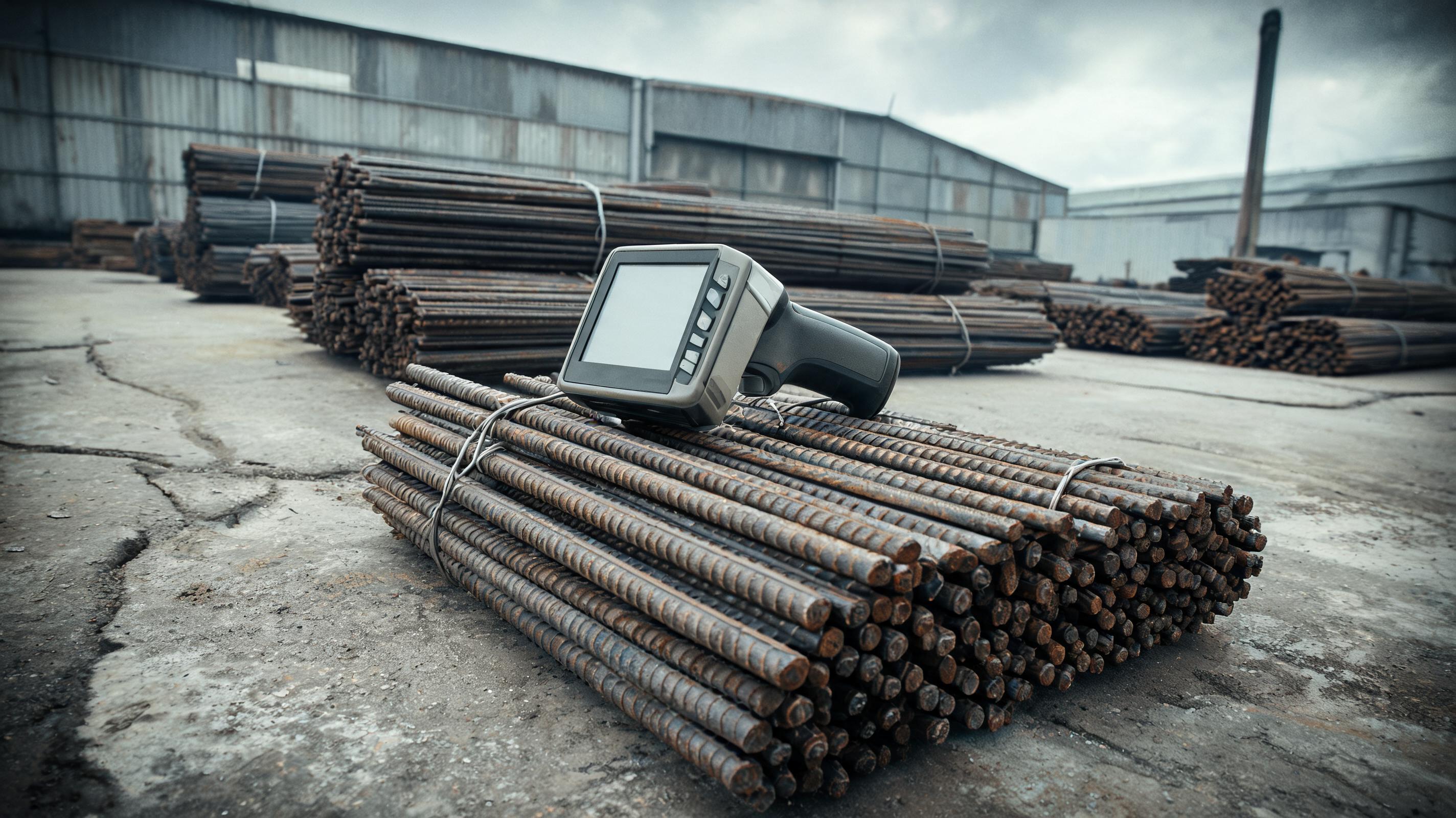
For steel and metal products, insist on a handheld XRF test during inspection. X-ray fluorescence spectrometry identifies elemental composition in seconds. It tells you whether the rebar contains the correct percentages of carbon, manganese, and silicon for the grade you ordered. Most third-party inspection companies include XRF testing as a standard line item for metals. It costs around $200 per inspection. For an order worth $46,000, this is 0.43% of the invoice — and it will catch a grade switch before the container is sealed.
For PVC and plastic building materials, ask for a batch-specific composition report. PVC wall panels and corner trims use a resin-to-filler ratio. A legitimate factory knows their ratio for every production run. If your supplier hesitates or sends a generic spec sheet from 2024, assume the filler content is higher than they claim. You want a report dated after your production order, with your order number on it, showing the resin, calcium carbonate, and additive percentages within the tolerance you agreed on.
A grade switch doesn't just cost you the price difference. It can cost you the entire project — structural failure, warranty claims, and a reputation that takes years to rebuild.
Scam Three: The Destination Surcharge Trap
This one is more common than most buyers realize. You negotiate a price on FOB terms. The container arrives at your port. Then your freight forwarder hands you a bill that includes a $2,400 anti-dumping duty surcharge that nobody mentioned. The supplier says it was in the fine print. It was not — but it wasn't explicitly excluded either.
The trap works because FOB terms only define where the supplier's responsibility ends: when the goods cross the ship's rail at the port of origin. Everything after that — ocean freight, insurance, destination terminal charges, customs duties, anti-dumping duties, and any surcharges — falls on the buyer. An unscrupulous supplier exploits the gap between what FOB means legally and what the buyer assumes it means practically. They quote you an attractive FOB price while knowing that your product category attracts a 15% anti-dumping duty at your destination port.
Before you sign a proforma invoice, ask three questions about your specific product and destination country. Does this product category face anti-dumping duties in my country? What is the HS code you will declare, and what is the applicable duty rate? Are there any destination port surcharges — congestion fees, peak season surcharges, or special handling charges — that you know about for this route? A supplier who answers these questions clearly and in writing has nothing to hide. A supplier who deflects or says "that is your agent's problem" is giving you a signal.
You should also check independently. Look up your product's HS code in your country's tariff schedule. Search for active anti-dumping orders against Chinese exports in your product category. The European Commission, the US International Trade Commission, and GCC customs authorities all publish this data online. Thirty minutes of research can prevent a $3,000 surprise.
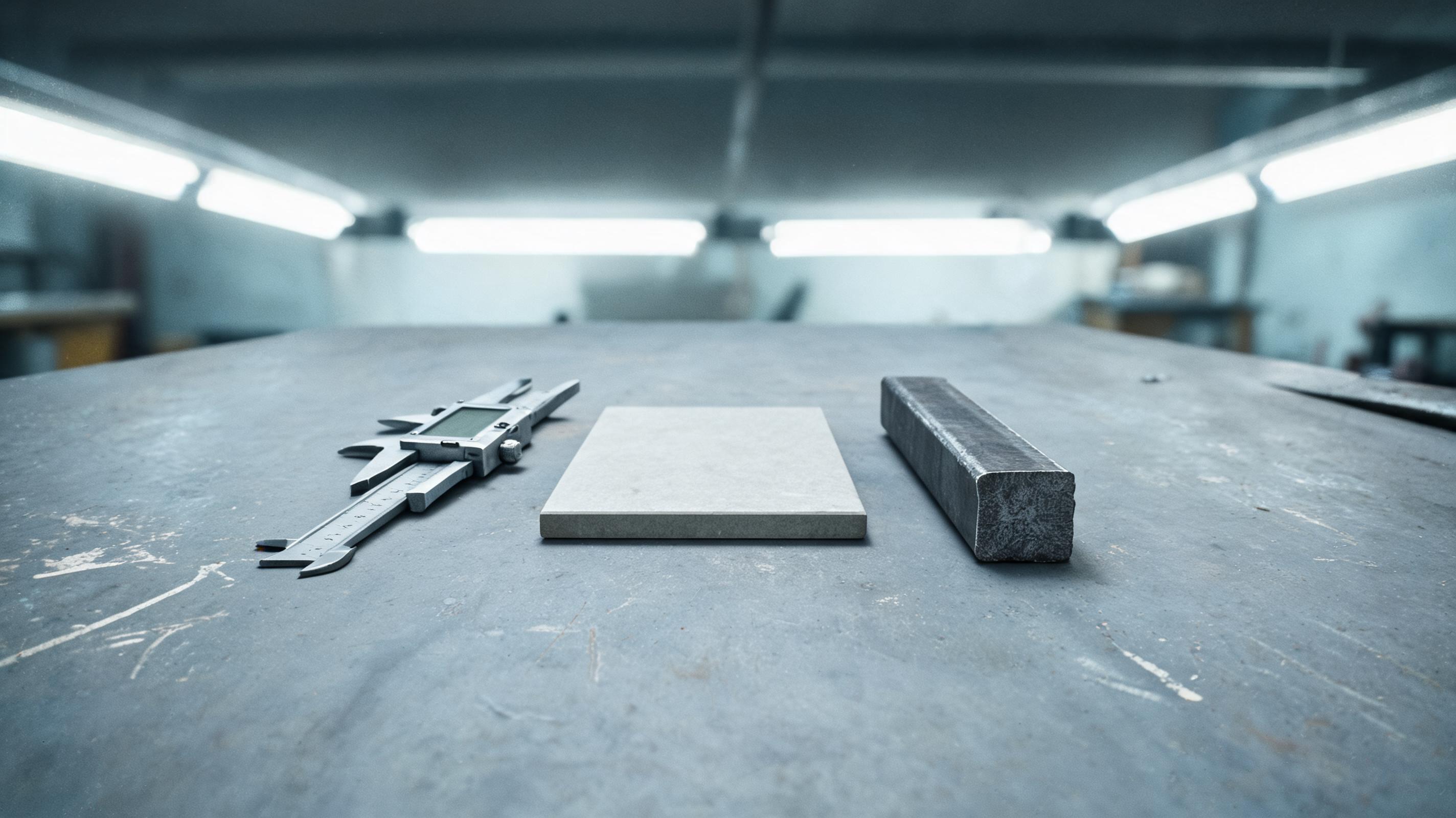
A pre-shipment inspection documents exactly what is being loaded into your container — before it leaves the factory.
The Three Tools That Stop All Three Scams
Every scam described above can be stopped by one of three mechanisms. You do not need all three for every order. You need the right one for the right risk.
1. Letter of Credit (L/C)
A letter of credit shifts the payment risk from you to the banking system. Your bank pays the supplier only after the supplier presents documents that comply exactly with the terms you specify in the L/C. If you require a pre-shipment inspection certificate from SGS or Bureau Veritas, the bank will not release payment without that certificate. If you require a certificate of origin, the bank checks for it. The supplier cannot disappear with your deposit because there is no deposit. Payment happens at the destination, after verification.
L/Cs add cost — typically 0.5–1% of the invoice value in bank fees — and require paperwork discipline. For orders under $20,000, the administrative burden may not justify the cost. For orders above $50,000, especially with a first-time supplier, an L/C is the cheapest insurance you can buy.
2. Pre-Shipment Inspection (PSI)
A PSI sends an independent inspector to the factory before your container is sealed. The inspector checks quantity, dimensions, surface quality, packaging, and — crucially — material composition. For steel, they bring the XRF spectrometer. For tiles, they check thickness, flatness, and color consistency against your approved sample. For PVC panels, they verify the batch composition report against a physical sample.
The inspection report is your evidence. If the goods do not match the spec, you reject the shipment before it leaves China. You do not pay. You do not argue. You point to the inspection report and ask the supplier to re-produce or refund. SGS and Bureau Veritas both offer PSI services for building materials. Budget $300–800 per inspection depending on the location and scope.
3. Factory Audit + Video Verification
A factory audit is a deeper version of the video call we described earlier. An auditor visits the factory, verifies the business license, checks production capacity, reviews quality control records, and photographs the production lines. This is not the same as a PSI. An audit confirms the supplier is who they claim to be. A PSI confirms the shipment is what you ordered. You need the audit before you sign the contract. You need the PSI before you release payment.
If you are placing a large first order with a new supplier — say, five containers of flooring at $120,000 — spend $1,500 on a factory audit and $500 on a PSI. That is 1.7% of the order value. If the audit catches a red flag, you just saved $120,000.

A Practical Checklist Before Your Next Order
Use this checklist for every new supplier relationship. No exceptions.
- Verify the business license on the National Enterprise Credit Information Publicity System. Confirm the company name, registration date, and legal representative match what the salesperson told you.
- Conduct a live video call showing the production floor — not the showroom, not the office. Ask to see a specific machine nameplate and the street outside.
- Confirm the bank account name matches the business license name exactly. Refuse to pay any third-party entity.
- Check your destination country's tariff schedule for the HS code the supplier intends to use. Confirm the duty rate and any anti-dumping orders.
- For orders above $50,000 with first-time suppliers, use a letter of credit. Require a pre-shipment inspection certificate as a payment condition.
- For metal products, require an XRF spectrometer test in your inspection scope. For PVC and plastic products, require a batch-specific composition report with your order number.
- Insist on photos of the loaded container — door open, showing the cargo inside, with the container number visible. This confirms the goods entered the container before it was sealed.
A supplier who refuses any of these steps is not necessarily a scammer. But a supplier who refuses all of them is raising a flag you should not ignore. The good suppliers in China have been through this process hundreds of times. They know what verification looks like. They expect it.


