

-
-
ꁇHome Decoration Main Materials
-
ꁇCommercial Decoration Main Materials
-
ꁇGeneral Auxiliary Materials
-
ꁇHardware & Fittings
-
ꁇLighting & Electrical
-
ꁇDoors & Windows
-
ꁇSoft Decoration & Home Products
-
ꁇTools & Equipment
-
ꁇSpecial Engineering Materials
-
ꁇCustomer Service
-
ꁇSpecial Zones
-
HS Code 3925900000: What Building Material Importers Get Wrong About Plastic Construction Products
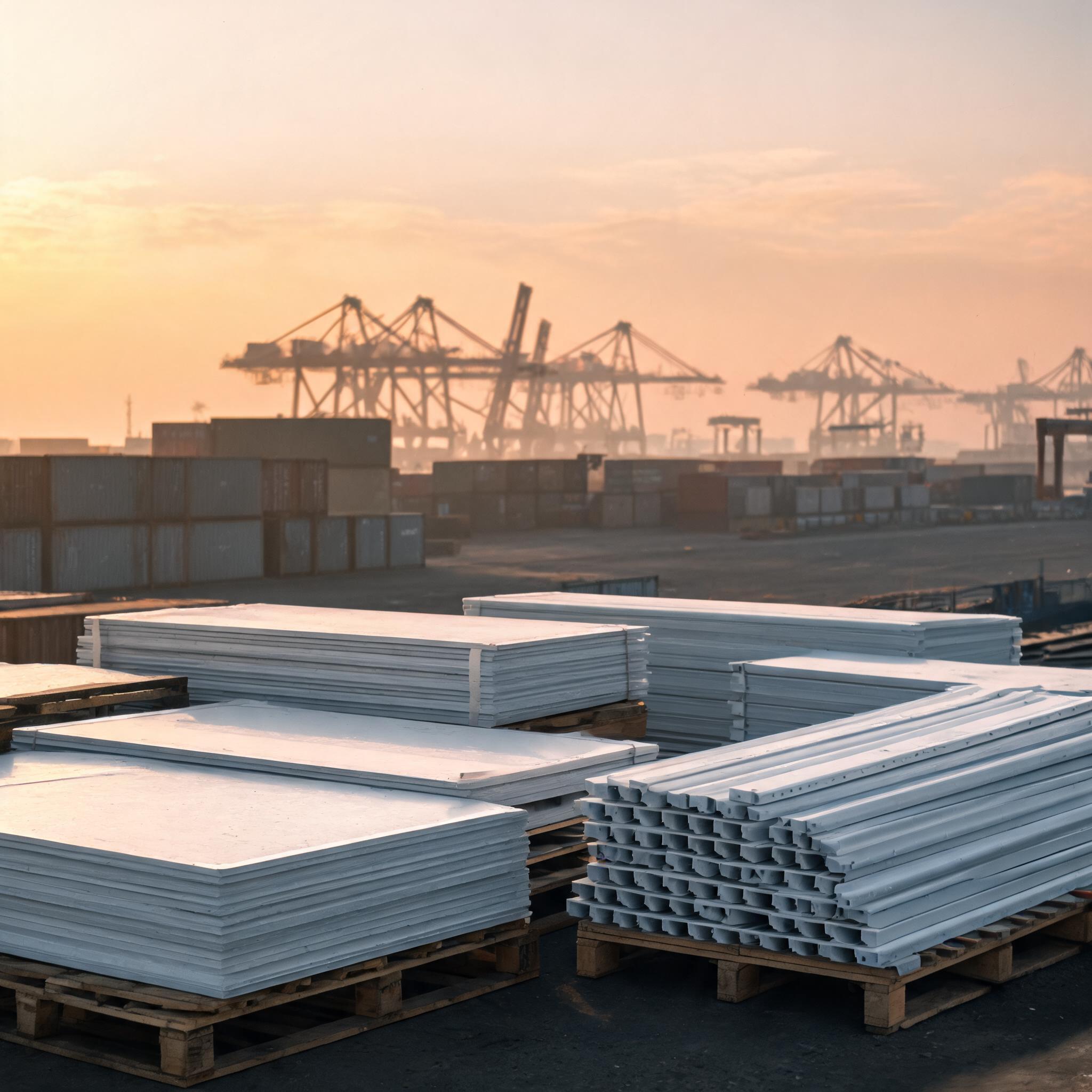
An importer in Hamburg ordered two containers of PVC wall panels from Zhejiang in March 2026. The supplier declared them under HS Code 3918. The German customs authority reclassified the shipment as 3925. The importer paid a three-week clearance delay and a duty difference of 2.3 percentage points. The panels sat in a bonded warehouse while the contractor waited on site. The cost of the delay exceeded the duty difference by a factor of four.
This happens more often than importers admit. Plastic construction products sit at the boundary between multiple HS chapters. A supplier's invoice may use one code. The destination customs may use another. When they disagree, your shipment stops moving. We wrote this guide to help you avoid that stop.

What HS Code 3925900000 Actually Covers
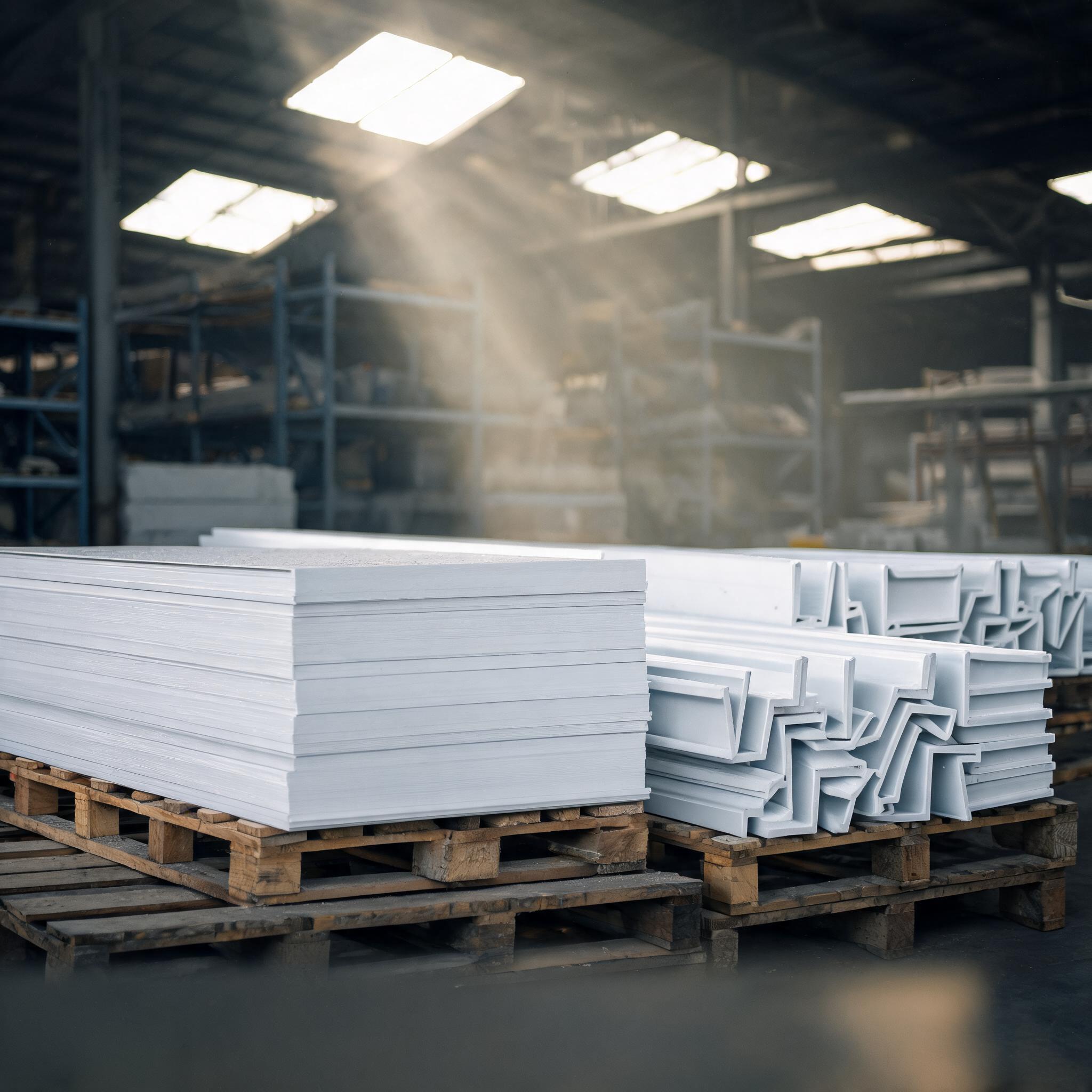
HS Code 3925900000 belongs to heading 3925: builders' ware of plastics, not elsewhere specified or included. It covers plastic products manufactured for permanent installation in buildings or civil engineering works. PVC wall panels, PVC corner trims, ceiling panels, cable trunking, plastic ventilation grilles, and plastic shuttering all fall here.
What it does not cover matters just as much. Plastic floor coverings belong under 3918. Self-adhesive plastic sheets are 3919. Plastic furniture fittings are 3926. Plastic pipes and fittings are 3917. If your shipment mixes PVC panels with plastic flooring rolls, each needs its own HS line on the declaration. Bundling them under one code is how customs flags a shipment for review.
How Chinese Exporters Declare It: The Form You Should Ask For
Every Chinese export shipment requires a customs declaration form. The form lists, for each product: Chinese name, English name, HS code, declared use, material composition, and brand status. We looked at a real declaration for PVC wall panels and PVC corner trims filed at Ningbo port. Both products were declared under 3925900000.
The material breakdown read: PVC resin 47%, calcium carbonate 50%, additives 3%. The use field stated "indoor decoration material." The brand field was blank. This last point is important. A blank brand field means the goods are neutral-packaged OEM products. The buyer owns the brand and applies it after import. If your supplier marks "no brand" on the declaration, your destination-country label compliance is entirely your responsibility.
Why the 47/50/3 Ratio Matters to Your Order
The numbers 47% resin, 50% calcium carbonate, and 3% additives are not arbitrary. They describe the cost structure of the product you are buying. PVC resin trades as a petrochemical derivative. Its price tracks crude oil. Calcium carbonate is mined and ground. Its price is far more stable. When resin prices rise, some factories quietly push the filler ratio higher. 50% calcium becomes 55%. The board gets stiffer and more brittle.
A buyer who does not check the composition will notice the difference in the field. A board that cracks during cutting or snaps at the corner trim is likely one with too much filler. You should ask for the material ratio in writing before production. Then ask for a batch-specific test report after production. If the two numbers do not match within a 2% tolerance, you have a conversation to have before the container is loaded.
For the Middle East and Africa markets, 50% calcium is common. It keeps the landed cost competitive. For the European market, some buyers ask for 35–40% calcium and higher resin content. The board is more flexible, easier to cut, and less likely to fail during winter installation. The price difference is usually RMB 8–15 per square meter, depending on the current resin market. You decide based on your project's climate and your installer's experience with the material.

Three HS Code Mistakes We See Repeatedly
Mistake one: using 3918 for rigid wall panels. 3918 covers floor, wall, and ceiling coverings in rolls or tiles that are self-adhesive or flexible. A rigid PVC wall panel that is mechanically fixed does not belong here. Customs authorities in Germany, the UK, and Australia routinely reclassify rigid panels from 3918 to 3925. The reclassification triggers back-duty, interest, and sometimes a penalty. You can avoid this by checking the installation method before the declaration is filed.
Mistake two: mixing 3925 and 3917 in the same line item. A shipment containing PVC panels and PVC conduits should be split across two HS lines. Panels go under 3925. Conduits go under 3917. Declaring everything under one code because both are plastic creates a misdeclaration risk. The customs officer may see the conduit and reopen the entire entry.
Mistake three: leaving the material composition blank. Some suppliers leave the composition field incomplete on the declaration form. This happens most often with trading companies that do not manufacture the product. They do not have the composition data from the factory. When the destination customs asks for a material safety data sheet, the importer cannot provide one. The shipment sits. Ask for the composition breakdown on the declaration form before the container is sealed.
How to Use HS Code 3925 to Compare Supplier Quotes
You can use an HS code as more than a customs tool. It helps you verify that two suppliers are quoting comparable products. Imagine Supplier A declares 3925900000 for a PVC wall panel. Supplier B declares 3918100000 for the same description. One of them is using the wrong code. That usually means a different duty rate in your country.
Before you compare prices, confirm the HS code each supplier intends to use. Then look up the duty rate for that code in your country's tariff schedule. A 4% duty difference can erase the price advantage of a supplier whose quote looked cheaper on the invoice. The cheaper quote may not be cheaper after customs.
You should also confirm whether the supplier is registered for the HS code they are using. Some trading companies declare codes they do not have an export record for. This can slow down the Chinese export clearance, which is the first domino in your delivery timeline.


