

-
-
ꁇHome Decoration Main Materials
-
ꁇCommercial Decoration Main Materials
-
ꁇGeneral Auxiliary Materials
-
ꁇHardware & Fittings
-
ꁇLighting & Electrical
-
ꁇDoors & Windows
-
ꁇSoft Decoration & Home Products
-
ꁇTools & Equipment
-
ꁇSpecial Engineering Materials
-
ꁇCustomer Service
-
ꁇSpecial Zones
-
Three EU Rules That Changed How We Source Building Materials
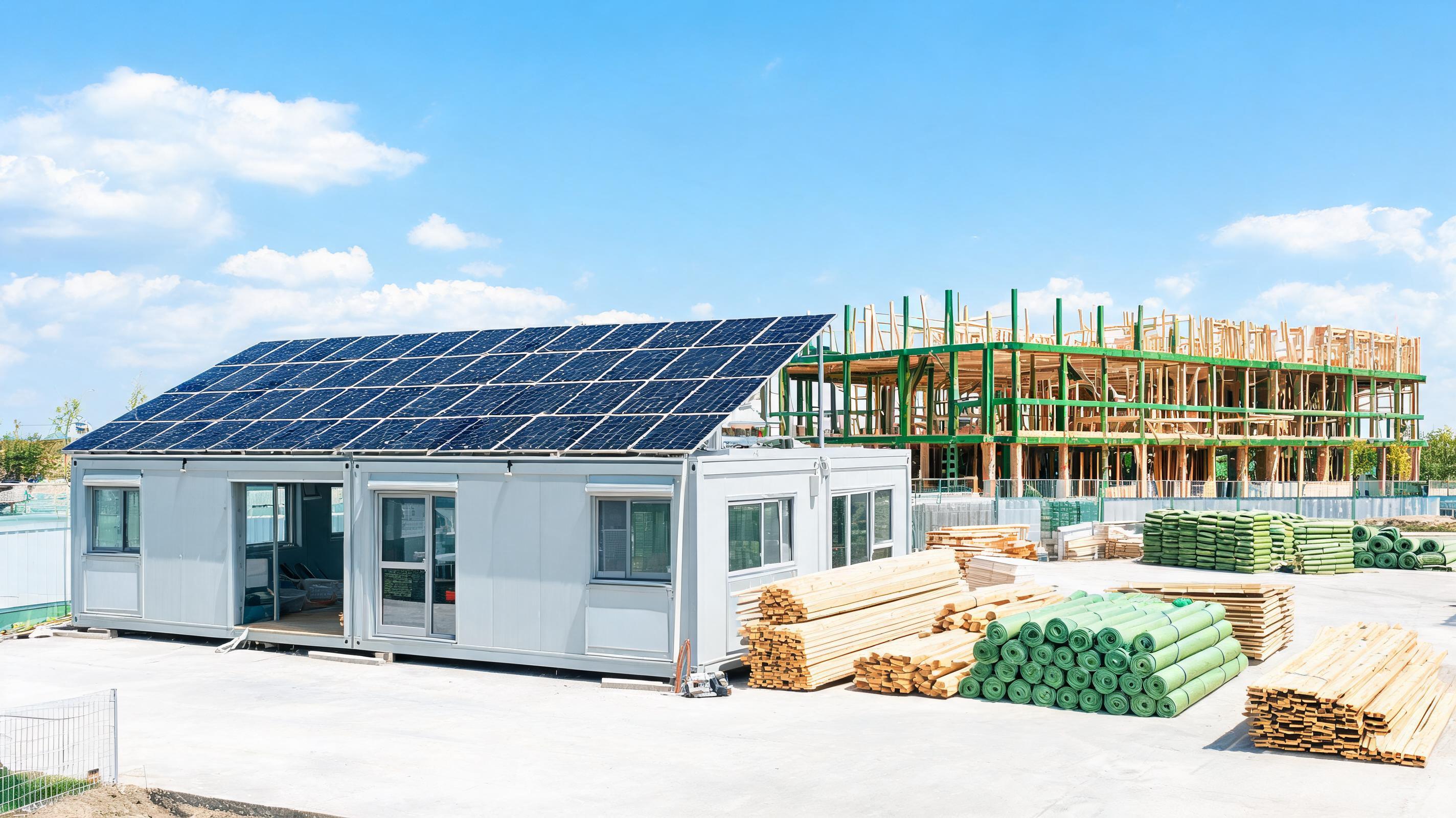
What Changed in Brussels
If you sell building materials to the EU — or want to — three new sets of rules now decide whether your container clears customs or sits in port.
EPBD. CPR. CBAM. Three acronyms, three compliance headaches if you're not ready. But here's the thing: most of your competitors are just as confused as you are. Get this right and it's an advantage, not a burden.
The Three Rules That Matter
EPBD — The Energy Performance Rule
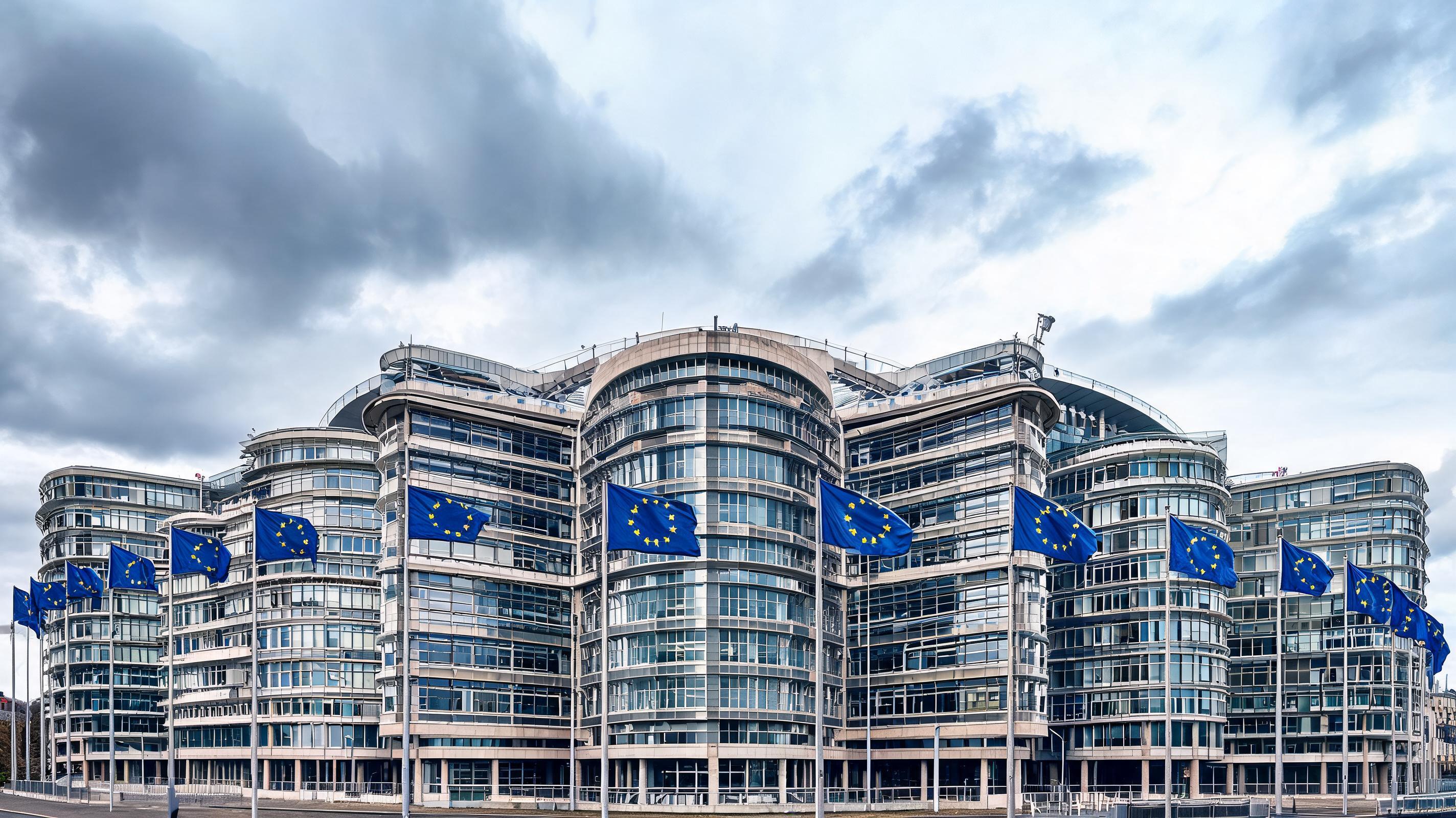
Short version: every new EU building has to be zero-emission by 2030. Public buildings even sooner — 2028.
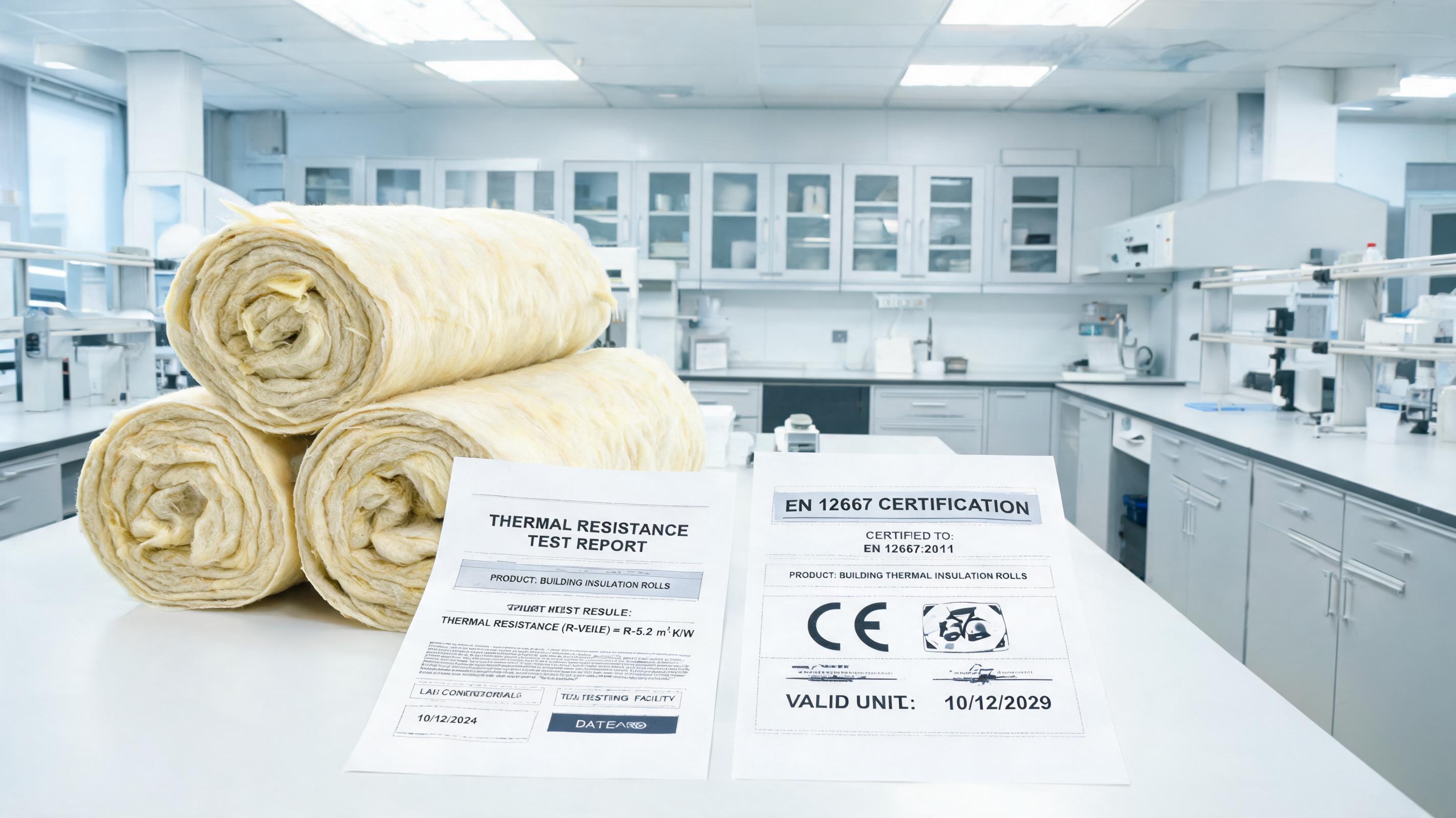
What does that mean for your materials? Insulation needs to perform better. Windows need better U-values. HVAC components need efficiency ratings. When you quote for an EU job, including the thermal performance numbers — with a proper EN test report — instantly puts you ahead of suppliers who just send a price list.
Quick tip: ask your insulation supplier for EN 12667 test data. Ask window suppliers for EN 14351-1. If they already have CE marking, the numbers should be sitting in a file somewhere.
CPR — The Product Documentation Rule
This one is straightforward. If your product falls under a harmonized European standard, you need a Declaration of Performance — a DoP — and CE marking. No DoP, no entry.
The update now also requires environmental data in your DoP. So it's not just "here's how strong this tile is" anymore. It's "here's how strong it is, and here's what it cost the environment to make it." If your supplier can't produce this stuff, you need a new supplier.
CBAM — The Carbon Tax at the Border

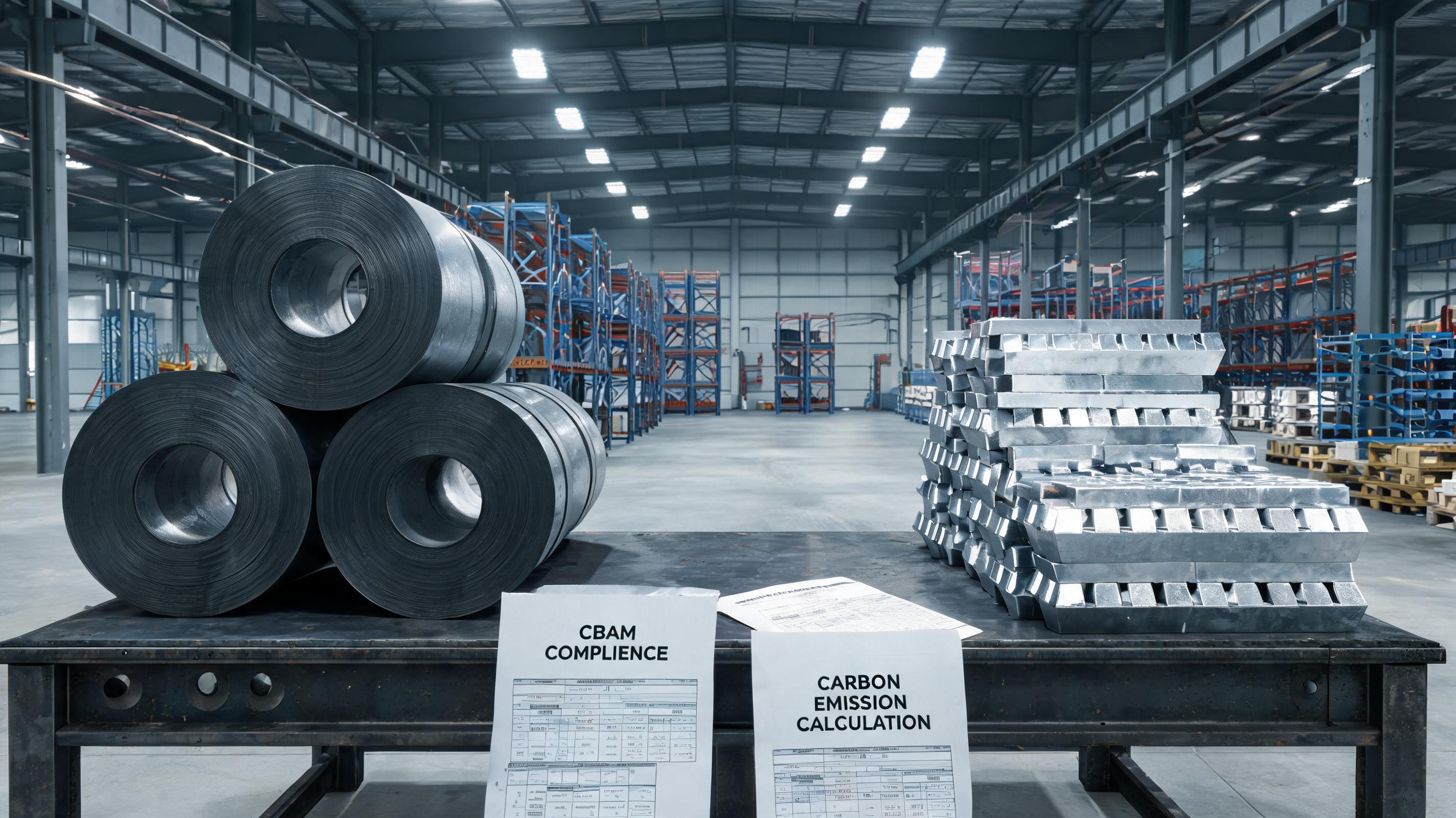
CBAM is the one that costs real money. It covers cement, steel, aluminum, fertilizers, and electricity. Eventually you'll need to buy carbon certificates matching the EU carbon price for every tonne of CO₂ embedded in those products.
Right now, EU carbon is around €70 to €90 per tonne. Every tonne of CO₂ in your steel or cement order becomes a cost. Not a theoretical cost — a line on your invoice. Supply low-carbon versions of those materials and you avoid a chunk of that cost.
We helped a client in Rotterdam switch to LC3 cement for a residential tower. The embedded carbon was 38% lower. At current carbon prices, that one switch saved them about €4,200. And the LC3 cement actually cost less than standard Portland. Sometimes doing the greener thing is also the cheaper thing.
What to Do About It Right Now
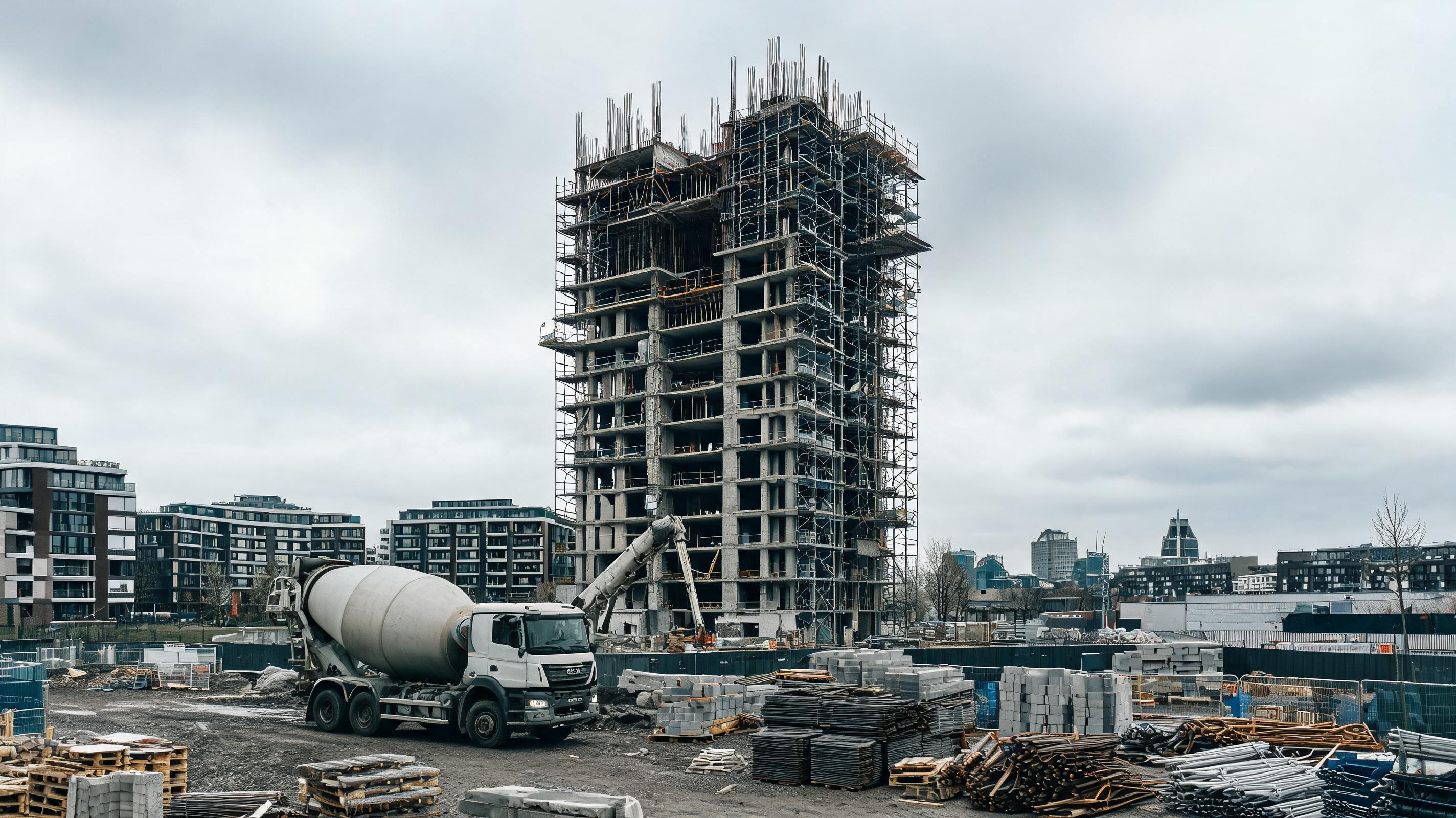
The rules look complicated, but the response doesn't have to be. Here's what we tell our clients:
- Go through your catalog and flag anything covered by CPR or CBAM. Cement, steel, aluminum — those are your top priority. Insulation, windows, doors — next in line.
- Start collecting documents. DoP, CE certificate, EPD, test reports — one folder per product category. You'll use these in every EU quote.
- If a supplier can't give you paperwork, start looking for one who can. Better to switch now than explain to your client why the container got held up.
- Send the paperwork first, not the price. When an EU buyer asks for a quote, attach the compliance docs before the price list. It changes how they see you.
WHAT TO FIX FIRST
Now: Cement, steel, aluminum. CBAM applies. No docs = customs problems.
This quarter: Insulation, windows, doors. CPR and EPBD apply. Docs affect your tender score.
Keep an eye on: Paints, adhesives, sealants. VOC rules are tightening.
Plan for later: Decorative stuff, hardware. Not urgent but buyers are starting to ask.
How We Make This Easy
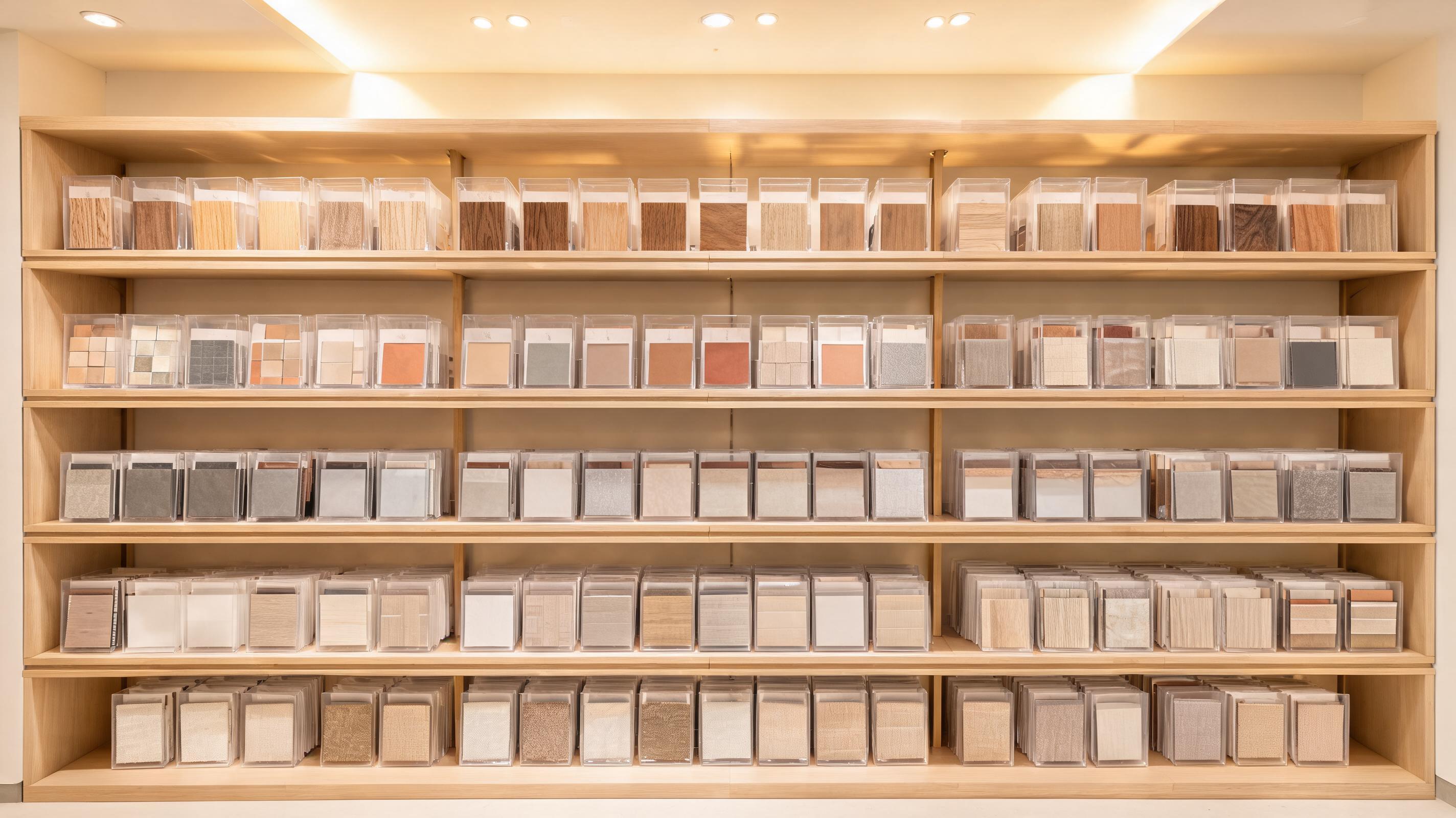
We only work with factories that already have CE marking, DoPs, and third-party test reports. We don't just find the materials — we put together the paperwork you need to get through customs and satisfy your buyer.
- Every factory in our network has been checked for documentation before we add them
- You get one organized compliance folder per shipment — not ten different formats from ten factories
- For cement, steel, and aluminum, we calculate the CBAM carbon numbers your customs broker needs
The rules aren't getting any looser. Importers who figure this out now will have an easier time than the ones who wait until their container gets flagged.
Email cindy@onestopbuildly.com. Tell us what you're shipping and where. We'll tell you what paperwork you need.


