

-
-
ꁇHome Decoration Main Materials
-
ꁇCommercial Decoration Main Materials
-
ꁇGeneral Auxiliary Materials
-
ꁇHardware & Fittings
-
ꁇLighting & Electrical
-
ꁇDoors & Windows
-
ꁇSoft Decoration & Home Products
-
ꁇTools & Equipment
-
ꁇSpecial Engineering Materials
-
ꁇCustomer Service
-
ꁇSpecial Zones
-
Low-Carbon Building Materials: What Importers Need to Know in 2026
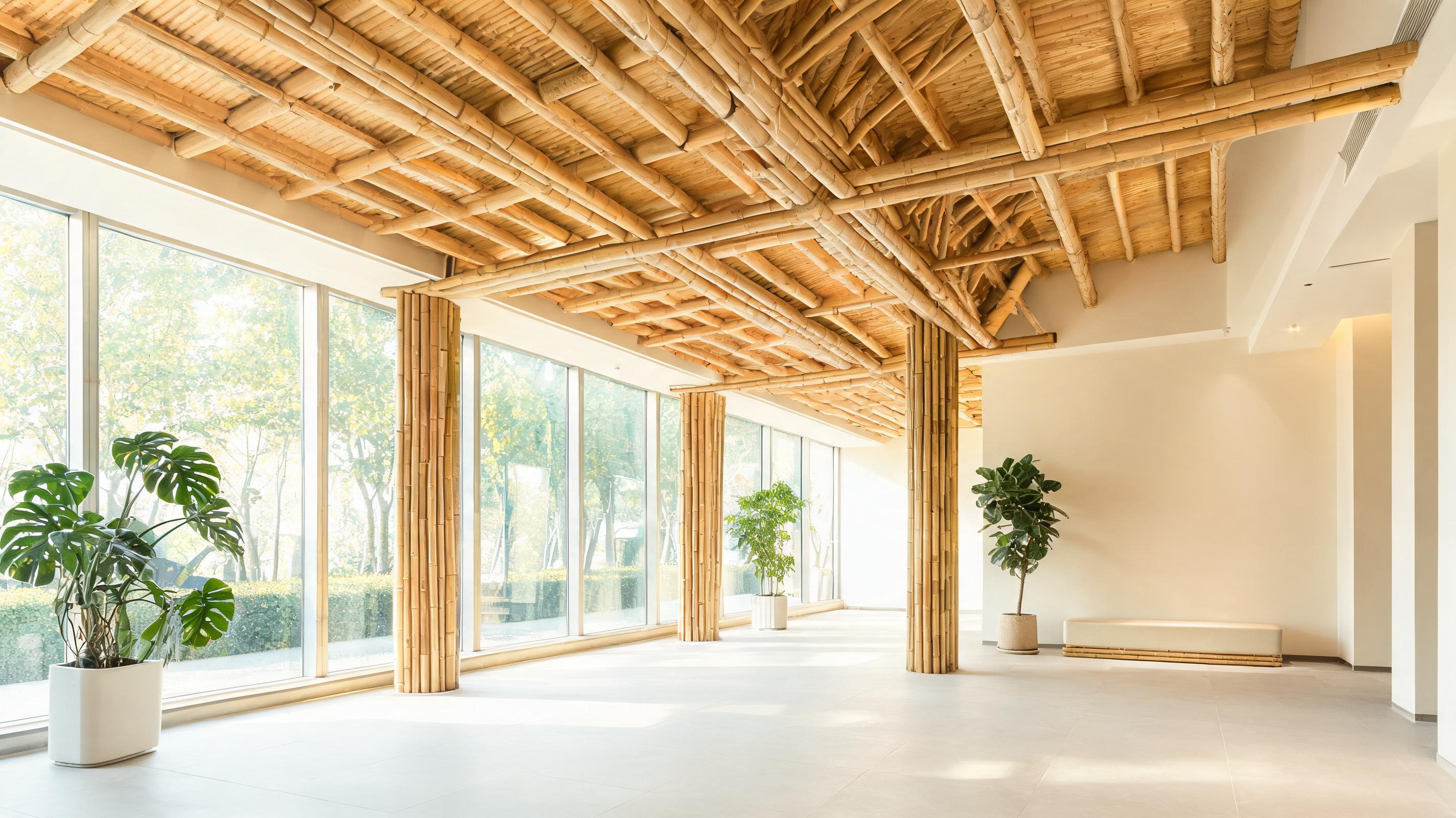
Why You Can't Ignore Carbon Anymore
We noticed a shift about two years ago. More and more of our clients started asking the same thing: "Can you give us the carbon number on that order?" Not the price — the footprint.
It makes sense when you look at what's happening. Governments keep adding carbon rules. Big developers keep adding sustainability clauses to their tenders. We've seen contractors lose bids over this — not on price, not on quality, but because they couldn't show the carbon data.
Honestly, this is good news for anyone willing to prepare. Most of your competitors are still quoting the old way. You don't need to be perfect — you just need to be ahead of the guy who still thinks carbon reporting is optional.
Where Most of the Carbon Actually Comes From
Here's something most people don't realize. In a typical commercial building, three or four material types usually make up more than 70% of the total carbon footprint. Cement. Steel. Timber. Aluminum.
If you get those few categories right, you're already most of the way there. You don't need to touch every product in your catalog.
Cement and Concrete
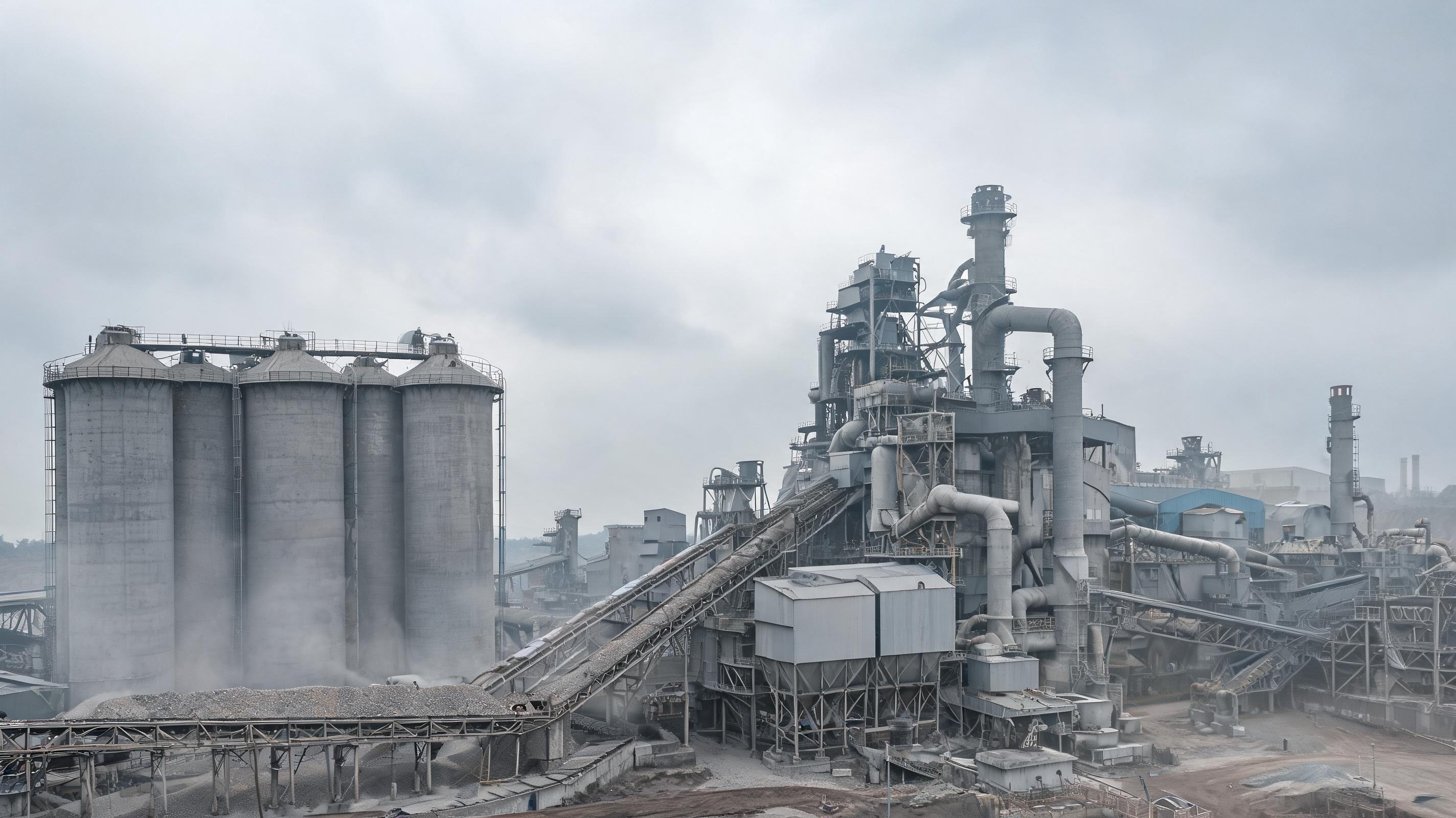
About 8% of the world's CO₂ comes from making cement. That number surprises most people the first time they hear it.
The fix isn't complicated. Fly ash and slag-based cements can cut the carbon footprint of your concrete by 30 to 50 percent. They meet the same ASTM C595 standards. They cost about the same. And the factories we work with already have them certified and ready.
If you're quoting for a European or North American job, putting a low-carbon cement option in your proposal — with the EPD to back it up — immediately separates you from suppliers who don't. We've seen tender scoring sheets where that one line made the difference.
Timber
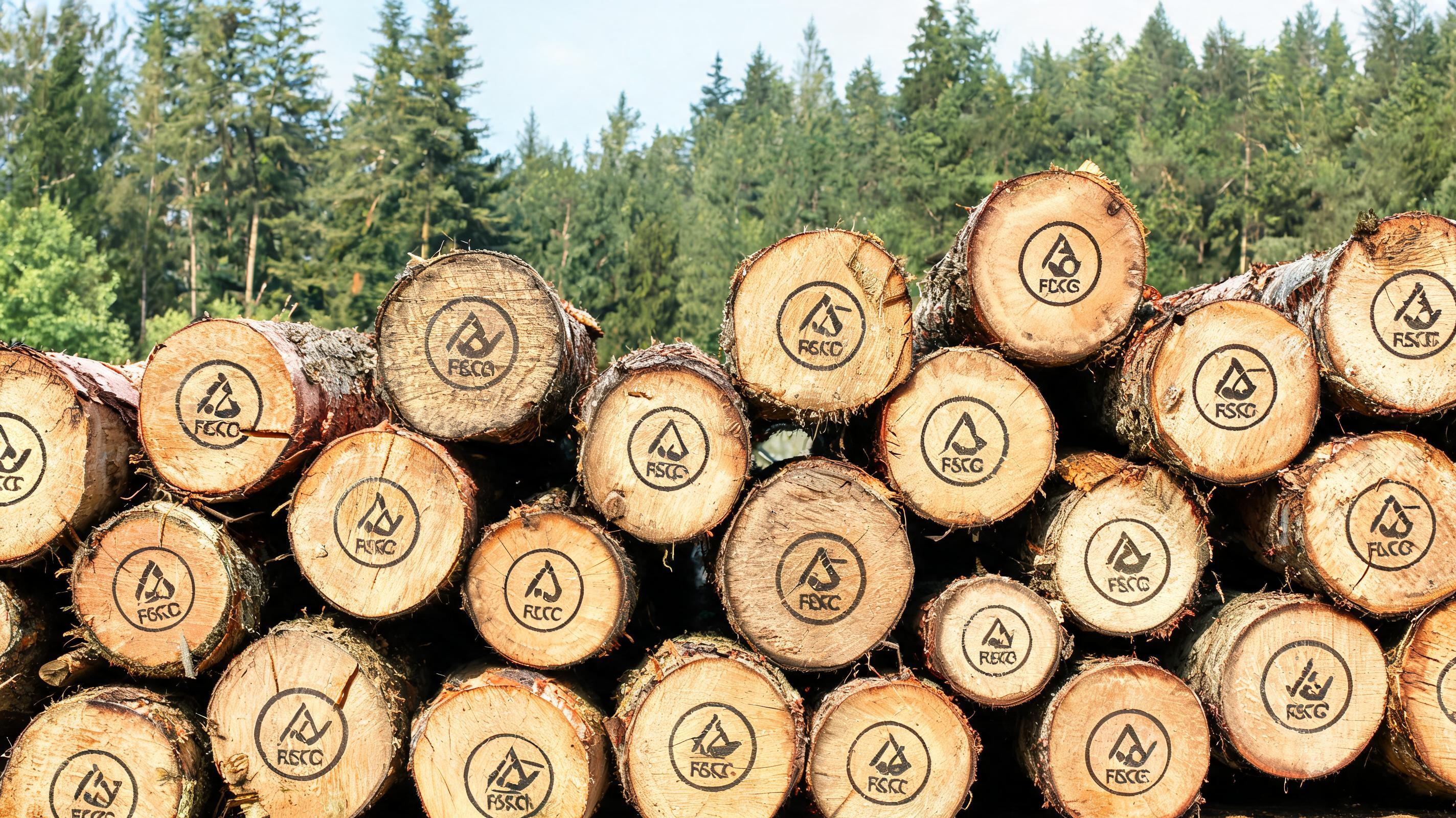
The EU has already been checking timber origin papers for years. The new deforestation regulation goes further — they want geolocation data now. Where exactly did each log come from?
We source FSC-certified doors, flooring, and joinery from factories that maintain full chain-of-custody records. Your paperwork arrives before your container does. No last-minute panic at customs.
Steel and Aluminum
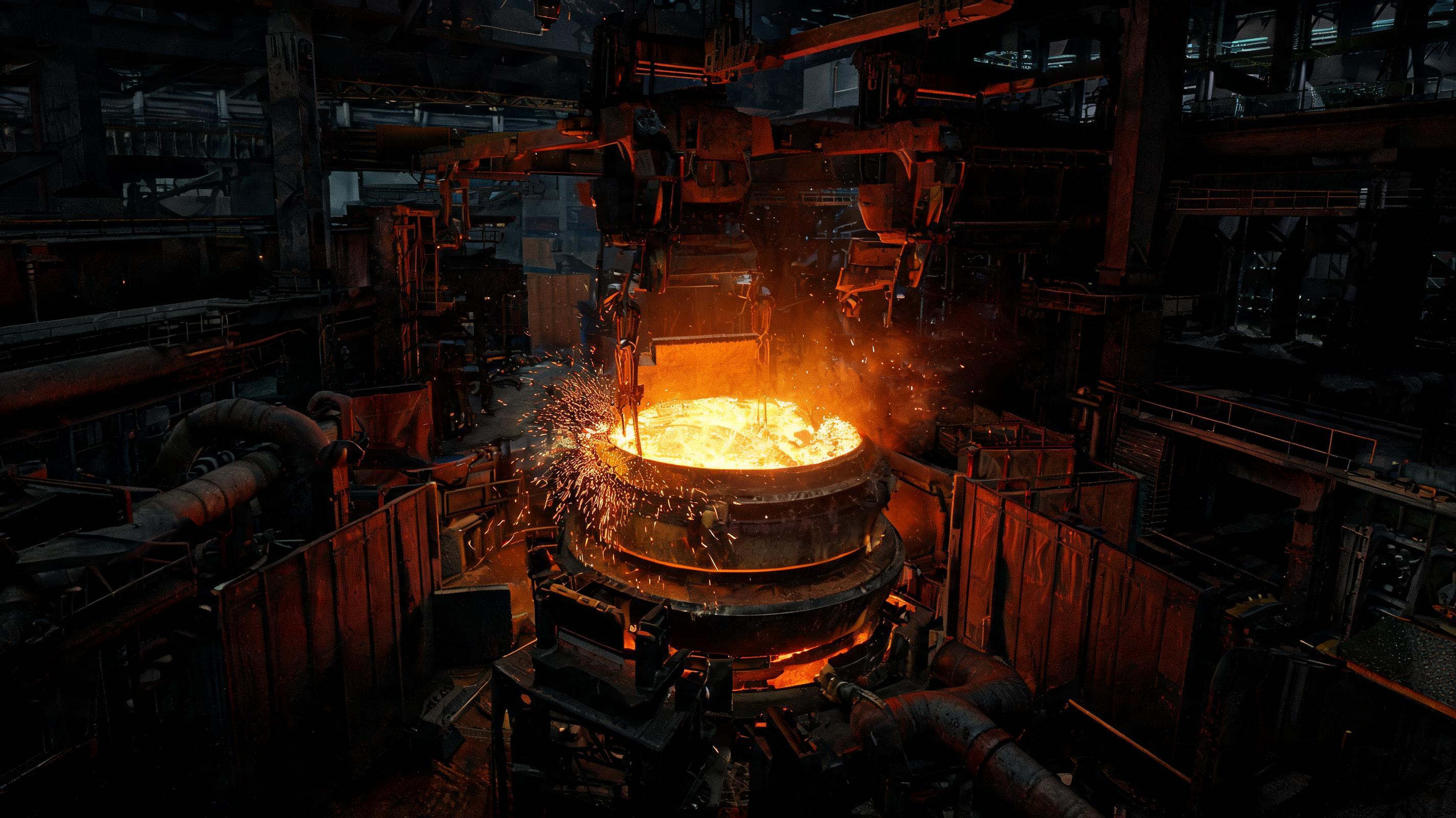
Steel made from scrap in an electric arc furnace burns about 60 to 75 percent less carbon than steel from a blast furnace. For a mid-rise building using 200 tonnes of structural steel, that's hundreds of tonnes of CO₂ off your report.
The document you need is called an Environmental Product Declaration. We help our clients get verified EPDs directly from the mills. It's the piece of paper your project's green building consultant will ask for.
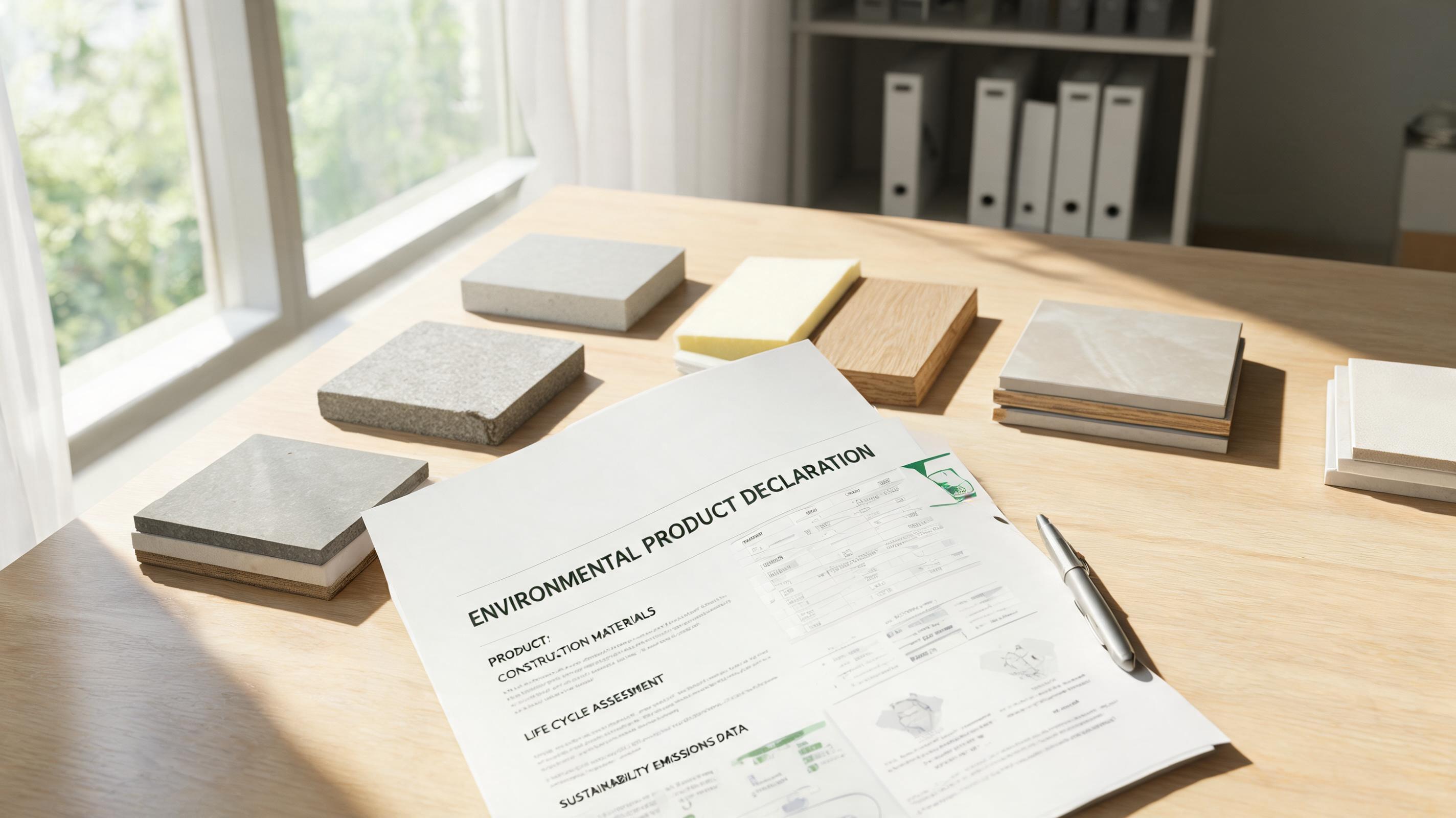
One of our clients — a contractor bidding on a mixed-use development in Stockholm — won the contract specifically because they could supply LC3 low-carbon cement and FSC-certified timber with full documentation. The winning margin was the carbon data sheet, not the unit price.
How to Get Started — Without Overthinking It
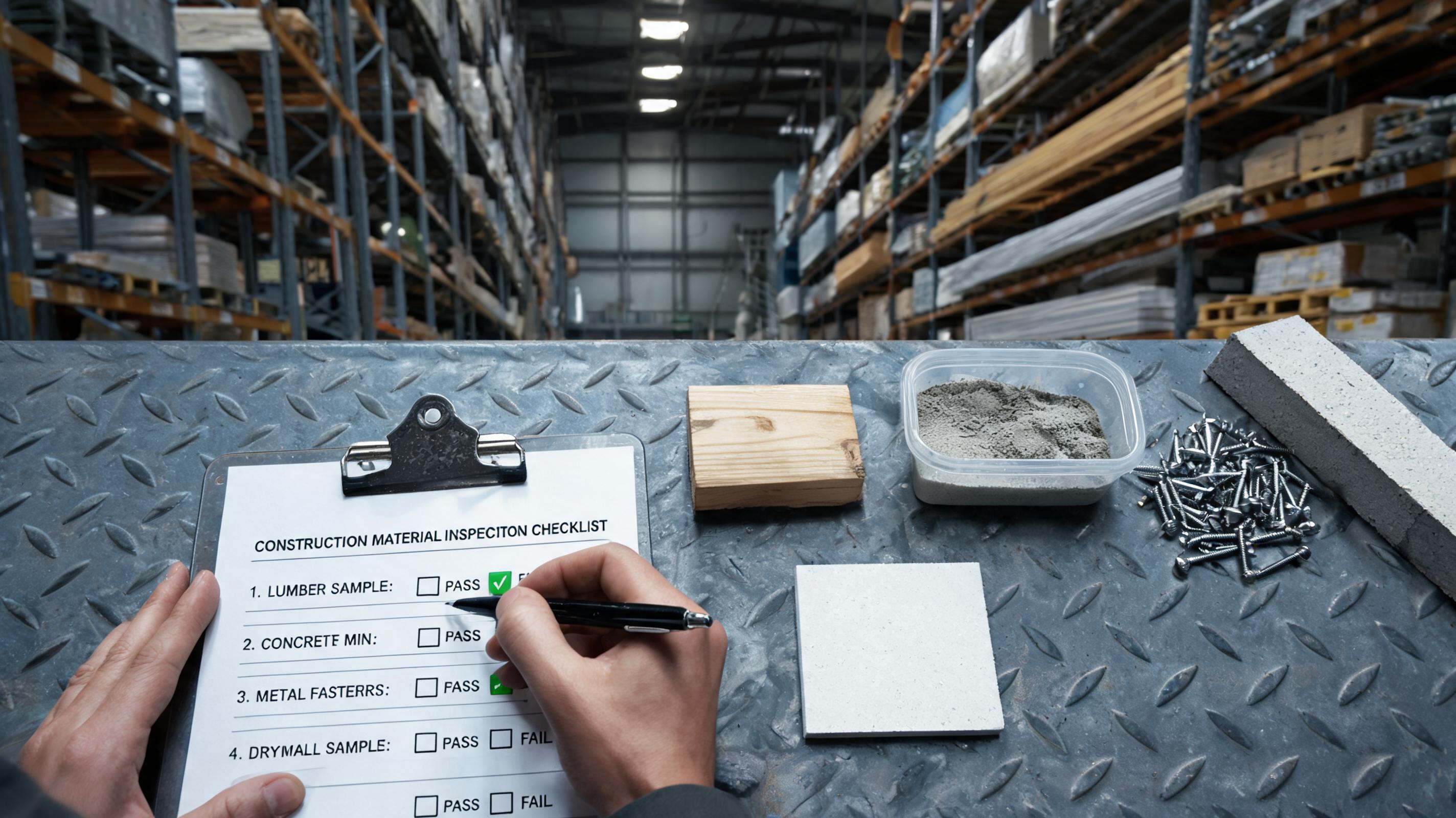
You don't need to redo your whole catalog. Most of our clients start with three simple moves that cost almost nothing.
- Pick your top 5 products by volume. Which materials do you sell the most of? Those are the ones where even a small carbon improvement makes a real difference.
- Ask your suppliers for their EPDs. An Environmental Product Declaration is just a standardized carbon report. Asking for one takes about two minutes, and it immediately tells you which suppliers are serious.
- Add one extra line to your quotes. Next to your standard price, put "Low-carbon option: [price + EPD available]." Most of our clients find about 30 to 40 percent of their buyers pick the greener option when the price gap is reasonable.
TRY THIS TODAY
Identify your 3 biggest-selling materials. Next week, email those suppliers and ask for EPDs. Within a month, add one low-carbon alternative to your quote template. Track what your buyers actually pick — that data will tell you what to do next.
How We Help
You talk to us. We talk to the factories. One contact, one invoice, one shipment — with all the carbon paperwork ready before the container leaves port.
- Blended cement — ASTM C595, EPD included
- FSC timber — doors, flooring, joinery, chain-of-custody certified
- Recycled-content steel and aluminum — EAF certificates and carbon data
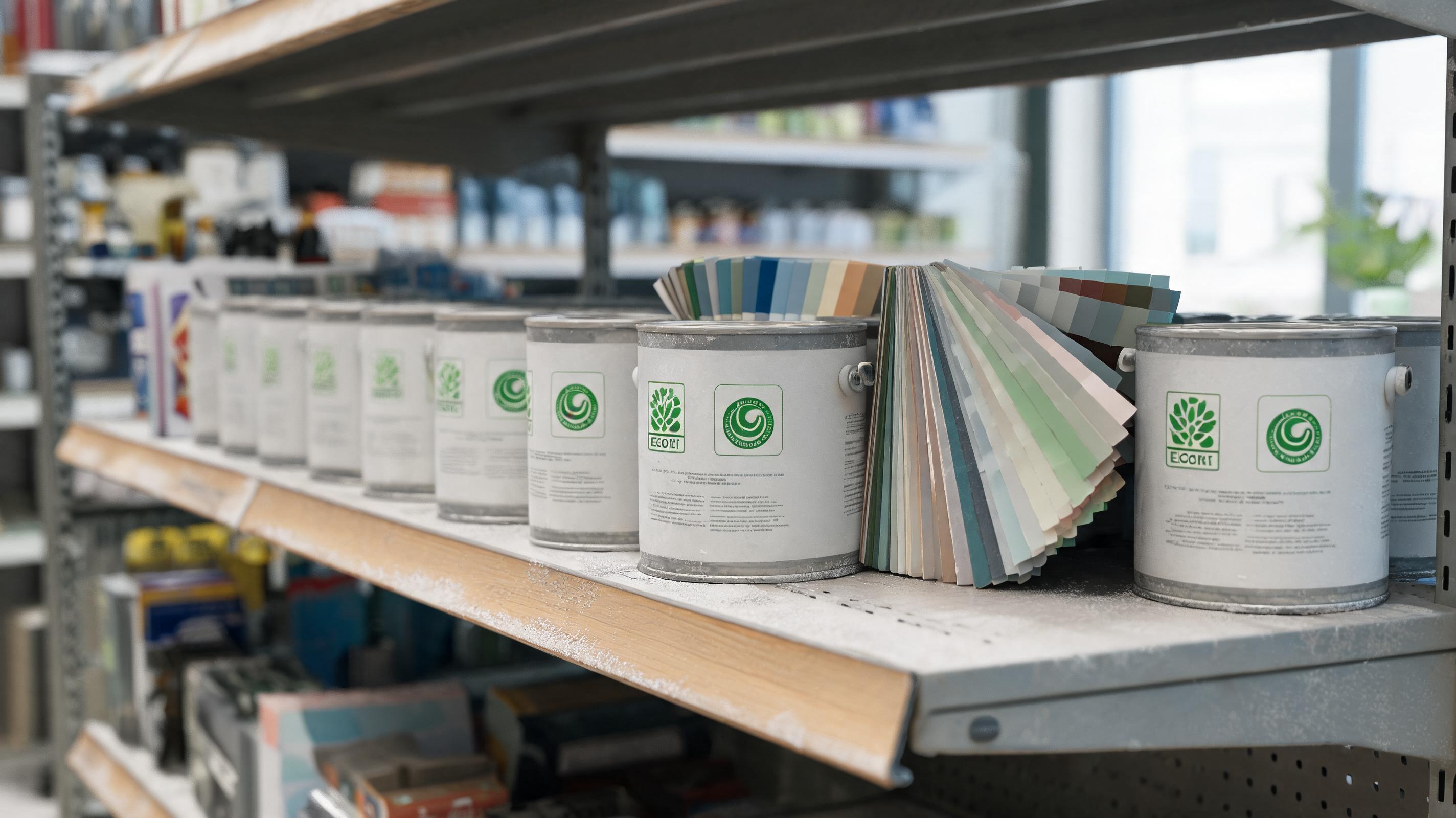
- Low-VOC paints — EU Ecolabel and Green Seal compliant
- Recycled gypsum board — 30% minimum recycled content, LEED and BREEAM docs
We audit the factories. We check the quality. We prepare the paperwork. You focus on building.
Interested? Email cindy@onestopbuildly.com. Tell us what materials you need and where you're building. We'll come back with options.


