

-
-
ꁇHome Decoration Main Materials
-
ꁇCommercial Decoration Main Materials
-
ꁇGeneral Auxiliary Materials
-
ꁇHardware & Fittings
-
ꁇLighting & Electrical
-
ꁇDoors & Windows
-
ꁇSoft Decoration & Home Products
-
ꁇTools & Equipment
-
ꁇSpecial Engineering Materials
-
ꁇCustomer Service
-
ꁇSpecial Zones
-
GCC Construction Market to Grow 5.2% — Key Material Categories to Watch
The GCC Market at a Glance
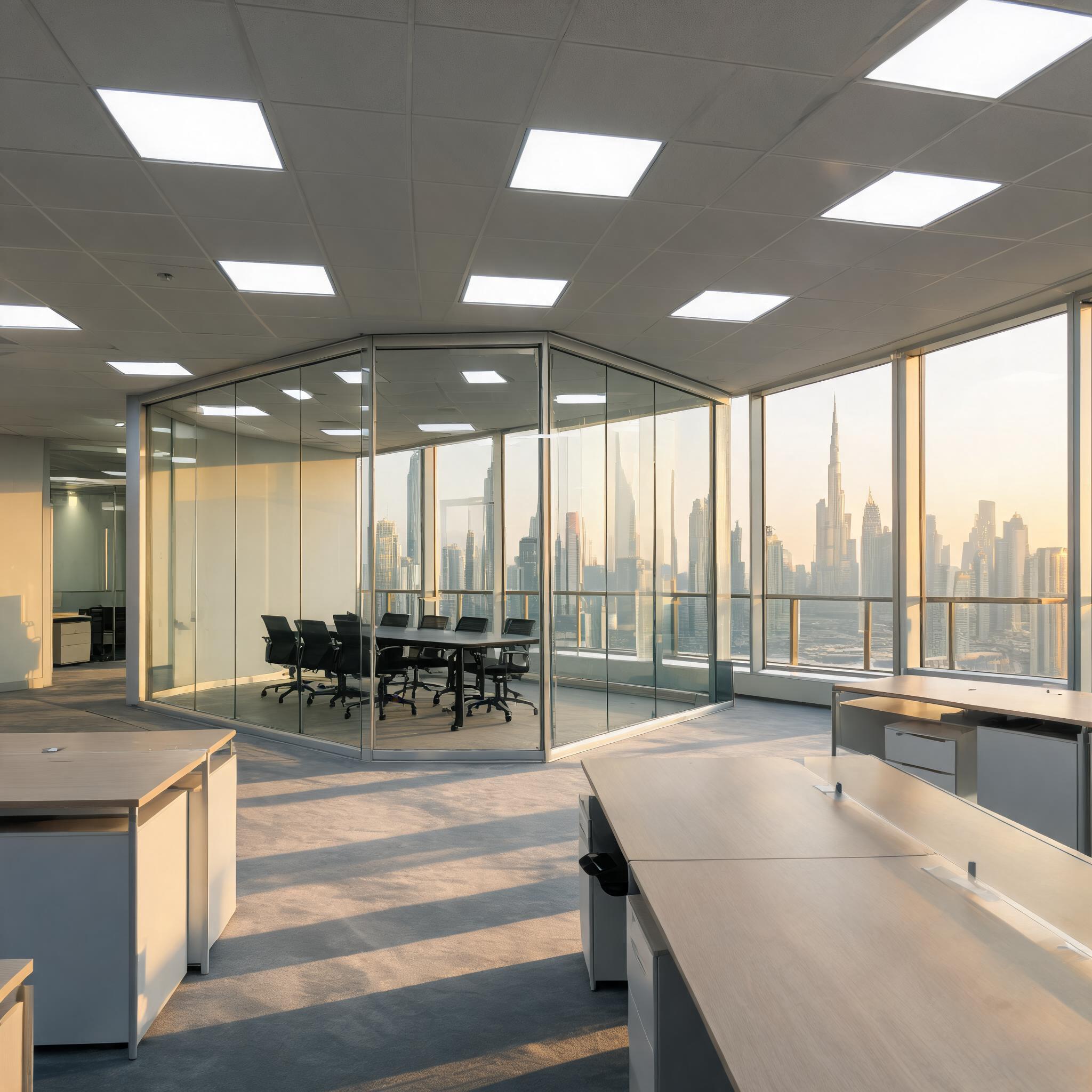
The Gulf Cooperation Council (GCC) construction market — spanning Saudi Arabia, the UAE, Qatar, Kuwait, Oman, and Bahrain — is projected to grow at a compound annual rate of 5.2% through 2028, driven by Saudi Arabia's Vision 2030 megaprojects, UAE urban expansion, and Qatar's post-World Cup infrastructure phase. Total construction output in the region is expected to exceed $180 billion in 2026.
For building material importers, this sustained growth creates sustained demand — but not all material categories benefit equally. Here is where the smart money is going.
Five Material Categories With the Strongest Demand Growth
1. High-End Flooring and Wall Finishes — +8% YoY
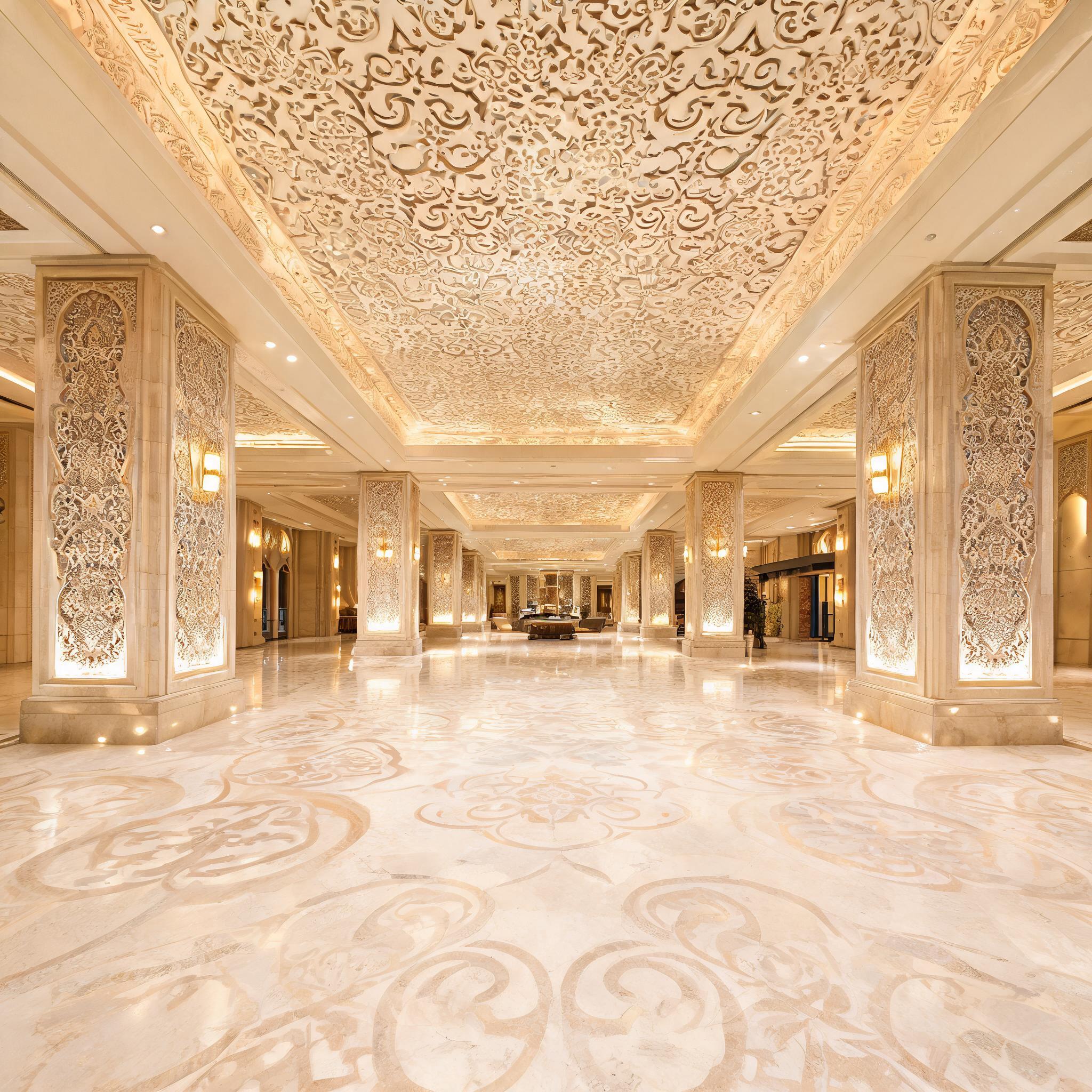
GCC hospitality and luxury residential projects continue to drive demand for marble, large-format porcelain tiles, engineered wood flooring, and decorative wall panels. Saudi Arabia's Red Sea tourism megaproject alone is expected to require over 2 million square meters of premium flooring over the next three years. Importers who can supply European-quality finishes at Chinese price points are winning the majority of these contracts.
2. Acoustic Ceiling and Partition Systems — +7.5% YoY
The GCC office and commercial segment is shifting toward modern open-plan layouts with suspended acoustic ceilings and demountable glass partitions. Demand for mineral fiber ceiling tiles, aluminum grid systems, and frameless glass wall systems has seen consistent quarterly growth since 2024.
3. Bathroom and Sanitary Ware — +6.8% YoY
Hotel room construction in Saudi Arabia and the UAE is projected to add over 80,000 new keys by 2028. Each key requires a full bathroom suite — toilets, basins, faucets, shower enclosures, and accessories. The volume opportunity here is significant, and consolidated bathroom packages (all items from one supplier) are increasingly preferred by procurement teams.
4. LED Lighting and Smart Electrical — +9% YoY
This is the fastest-growing subcategory in GCC construction. New building codes in Saudi Arabia and the UAE now mandate minimum energy efficiency standards for lighting, effectively requiring LED fixtures in all new commercial and residential projects. Smart lighting systems with occupancy sensors and daylight harvesting are becoming standard in office towers and hotels.
5. Steel and Structural Components — +4.5% YoY
Infrastructure megaprojects — NEOM, the Red Sea Airport, the UAE's Etihad Rail expansion — are consuming structural steel at an unprecedented rate. While much of this is sourced from regional producers, there is growing demand for specialized steel components, fasteners, and pre-fabricated structural elements from cost-competitive Asian suppliers.

Three Sourcing Recommendations for GCC Importers
Pre-Qualify Factories by Certification
GCC projects increasingly require SASO (Saudi Arabia), ESMA (UAE), or GSO compliance certification for imported building materials. Factories without these certifications cannot clear customs. Before you commit to a supplier, verify which GCC certifications they hold. This alone can save months of delays.
In our Riyadh bulk supply project, we pre-qualified all 14 supplying factories for SASO compliance before the first purchase order was issued. When material arrived at Jebel Ali port, clearance took three days instead of the two-to-three weeks that non-certified shipments routinely face.
Plan for Phased Delivery
GCC megaprojects typically run in phases over 3–7 years. A developer who wins a phase-one contract is in a strong position to win subsequent phases — but they need a supplier who can commit to long-term, phased delivery with consistent pricing. When negotiating with suppliers, structure your agreement to include pricing frameworks for the full project timeline, not just the first phase.
Consolidate to Control Costs
Shipping partial containers from multiple factories to GCC ports is expensive and administratively heavy. A consolidated sourcing model — where flooring, ceiling, lighting, and sanitary ware are gathered at one hub and shipped as full container loads — reduces landed cost per unit and simplifies customs clearance. For a typical mid-size hotel project, this approach can save $12,000–$20,000 in freight and clearance costs versus fragmented sourcing.
GCC Market Snapshot — Q1 2026
Market growth: 5.2% annually. Fastest-growing categories: LED lighting (+9%), premium flooring (+8%), acoustic ceilings (+7.5%). Key regulatory requirement: SASO / ESMA / GSO certification for all imported materials. Consolidating shipments saves an estimated $12,000–$20,000 per mid-size project in logistics costs alone.
Partner With OneStopBuildly for Your GCC Project
We have supplied materials for projects in Riyadh, Dubai, and across the GCC. Our consolidated sourcing model — one partner, one order, one shipment — is built for the scale and compliance requirements that GCC projects demand. Contact us at cindy@onestopbuildly.com to discuss your project requirements and get a preliminary sourcing proposal.


