

-
-
ꁇHome Decoration Main Materials
-
ꁇCommercial Decoration Main Materials
-
ꁇGeneral Auxiliary Materials
-
ꁇHardware & Fittings
-
ꁇLighting & Electrical
-
ꁇDoors & Windows
-
ꁇSoft Decoration & Home Products
-
ꁇTools & Equipment
-
ꁇSpecial Engineering Materials
-
ꁇCustomer Service
-
ꁇSpecial Zones
-
Container Shipping Rates Stabilize in Q2 2026 — What Importers Should Know

The State of Freight: Q2 2026
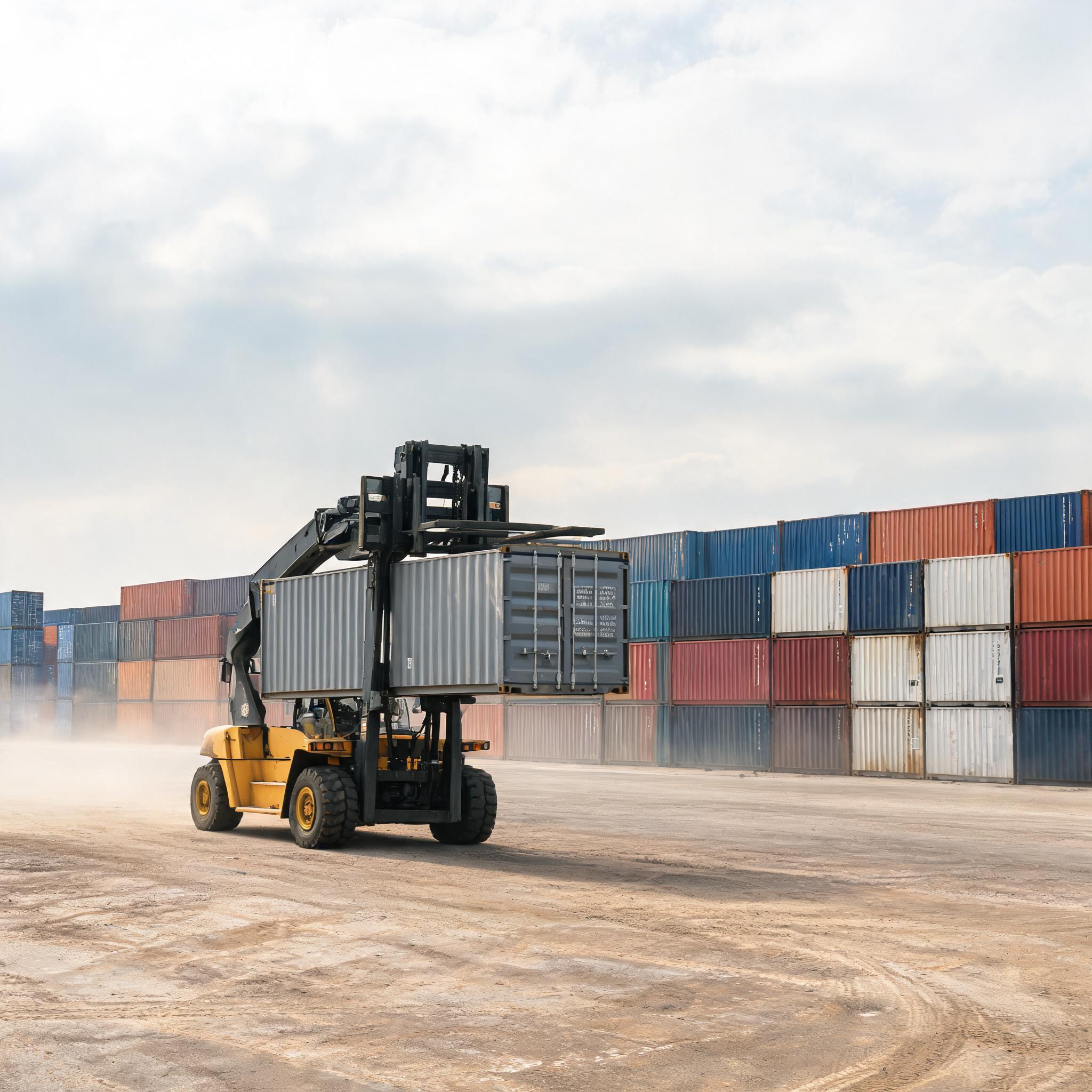
After two years of dramatic swings — from the post-pandemic rate spikes of 2024 to the correction of late 2025 — global container freight rates have entered a period of relative stability in Q2 2026. For importers of building materials, this is good news. Predictable shipping costs make project budgeting more reliable.
Current benchmark rates for a 40-foot container from major Chinese ports (Shanghai, Ningbo) to key African destinations:
- Shanghai → Mombasa (Kenya): $1,800–$2,400
- Shanghai → Dar es Salaam (Tanzania): $1,700–$2,300
- Shanghai → Lagos (Nigeria): $2,200–$3,000
- Shanghai → Dubai (UAE): $900–$1,400
These are approximately 40–60% lower than the peak rates seen in mid-2024. For a developer importing five containers of mixed building materials, that is a saving of $4,000–$8,000 per shipment compared to two years ago.
Why Rates Are Stabilizing Now
1. New Vessel Capacity Has Entered Service
Shipping lines ordered record numbers of new vessels during the 2022–2024 rate boom. Many of those vessels have now been delivered, increasing global container capacity by an estimated 8–10% year-over-year. More capacity means less pressure on rates.
2. Red Sea Rerouting Has Been Priced In
The Red Sea disruption that forced vessels around the Cape of Good Hope in 2024–2025 added 10–14 days to Asia-Europe and Asia-Africa east coast routes. Shipping lines have now adjusted their schedules and pricing models to reflect this as the new normal. The initial sticker shock has faded.
3. Demand Growth Is Steady, Not Spiking
Global container demand is growing at a healthy but manageable pace — around 3–4% annually. This is in contrast to the 2023–2024 period, when restocking demand after supply chain disruptions created sudden, sharp spikes.
Practical Advice for Building Material Importers
Lock In Rates When You Can
Stability does not mean rates will stay flat forever. Geopolitical events, port strikes, or sudden fuel price changes can shift rates quickly. If you have a project with a known shipping window in the next 3–6 months, negotiate a fixed-rate agreement with your forwarder now rather than waiting.
Consolidate Shipments to Reduce Per-Unit Cost
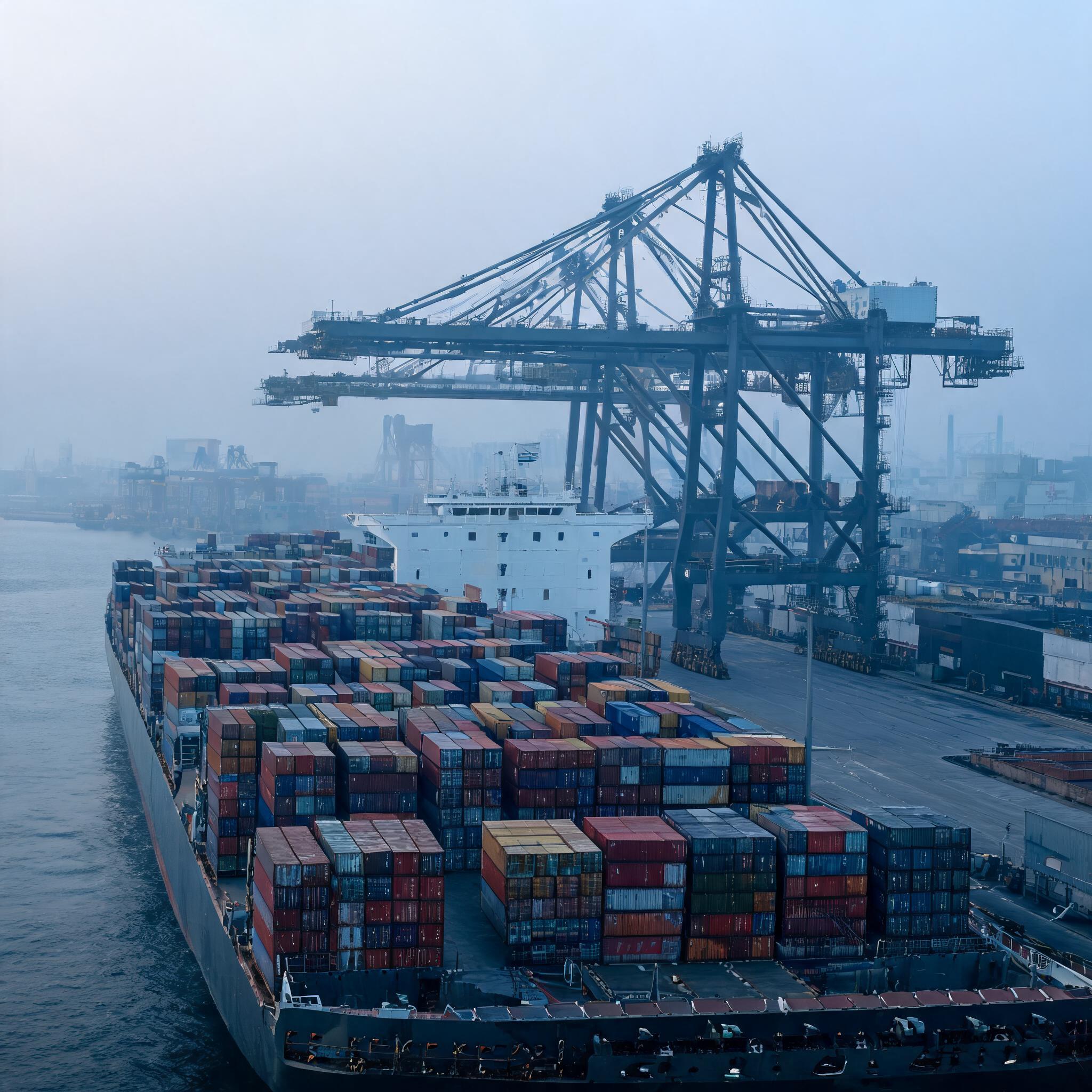
A full container load (FCL) is almost always cheaper per cubic meter than less-than-container-load (LCL) shipments. This is where consolidated sourcing delivers a double benefit: you source multiple material categories from one partner and ship them as a single FCL, maximizing container utilization and minimizing per-unit freight cost.
Choose Your Port Strategically
Port congestion levels vary significantly. Mombasa and Dar es Salaam have seen infrastructure upgrades that reduced average container dwell times. Lagos still experiences periodic congestion that can add 5–10 days to clearance. When planning your shipping route, factor in port efficiency, not just the freight rate. A $300-cheaper rate through a congested port can cost more in demurrage and project delays.
In our Riyadh bulk supply project, we shipped gypsum boards, insulation, steel studs, and joint compounds as consolidated FCL loads over a 12-month phased schedule. By negotiating fixed rates for the full year and routing through Jebel Ali — a high-efficiency port — the client avoided an estimated $12,000 in demurrage and spot-rate surcharges that hit variable-rate importers during the same period.
Key Numbers to Remember
Q2 2026 container rates are 40–60% below 2024 peaks. FCL consolidation reduces per-unit freight cost by 15–25% versus LCL. Choosing a high-efficiency port can save 5–10 days of clearance time and hundreds in demurrage fees. Fixed-rate agreements for 3–6 month shipping windows provide budget certainty in a still-uncertain global environment.
Plan Ahead With OneStopBuildly
We work with trusted freight partners to provide our clients with competitive, fixed-rate shipping options from major Chinese ports to destinations across Africa, the Middle East, and Southeast Asia. Combined with our consolidated sourcing model, this gives you end-to-end cost visibility — from factory floor to project site. Contact us at cindy@onestopbuildly.com to discuss your shipping requirements.


