

-
-
ꁇHome Decoration Main Materials
-
ꁇCommercial Decoration Main Materials
-
ꁇGeneral Auxiliary Materials
-
ꁇHardware & Fittings
-
ꁇLighting & Electrical
-
ꁇDoors & Windows
-
ꁇSoft Decoration & Home Products
-
ꁇTools & Equipment
-
ꁇSpecial Engineering Materials
-
ꁇCustomer Service
-
ꁇSpecial Zones
-
How China's Belt and Road Initiative Is Reshaping Global Construction Supply Chains
The Scale of Change
As of 2026, more than 140 countries have signed cooperation agreements under China's Belt and Road Initiative (BRI). The program has mobilized over $1 trillion in infrastructure investment across Asia, Africa, the Middle East, and Eastern Europe — making it the largest coordinated infrastructure program in modern history.
For the building materials industry, BRI is not just a headline. It is reshaping who buys, where materials flow, and how supply chains are structured. Understanding these shifts is now a competitive necessity.
Three Ways BRI Is Changing Material Sourcing
1. Infrastructure Creates Demand That Local Markets Cannot Fill
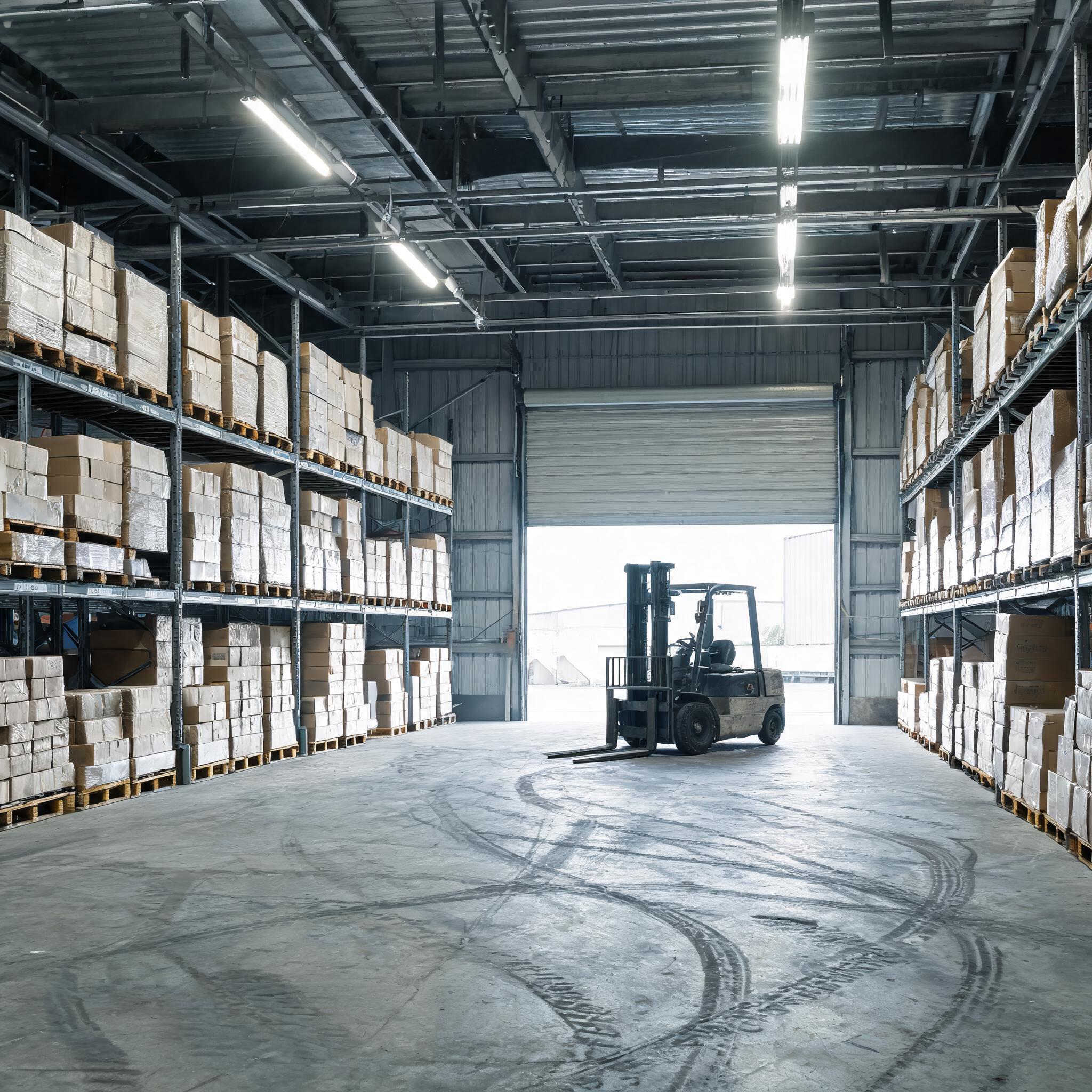
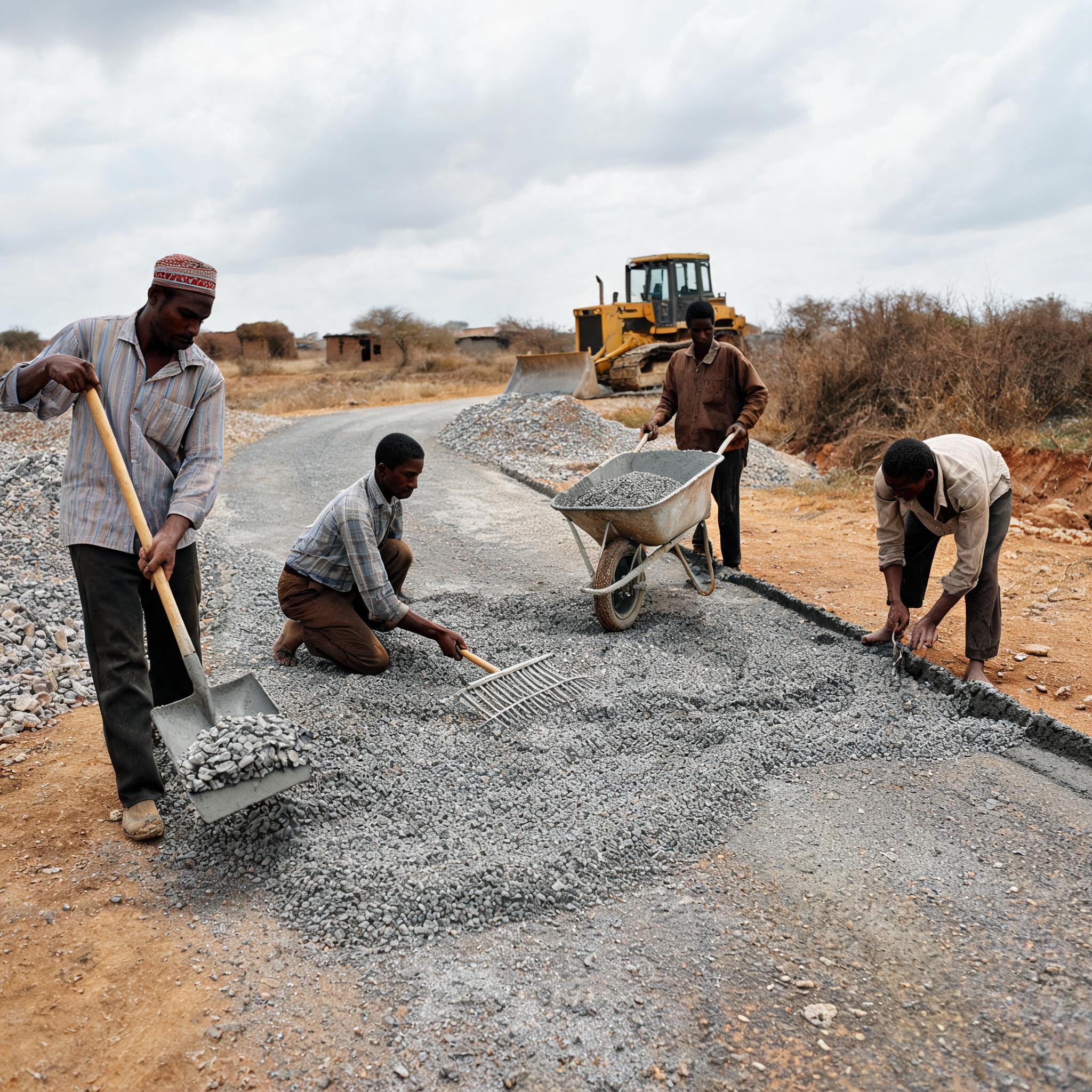
When a country receives BRI investment for ports, railways, or industrial zones, the construction phase consumes materials at a scale that often exceeds local production capacity. Importers who are positioned early — with established factory relationships in China — capture the majority of these supply contracts.
2. Trade Routes Are Being Reconfigured
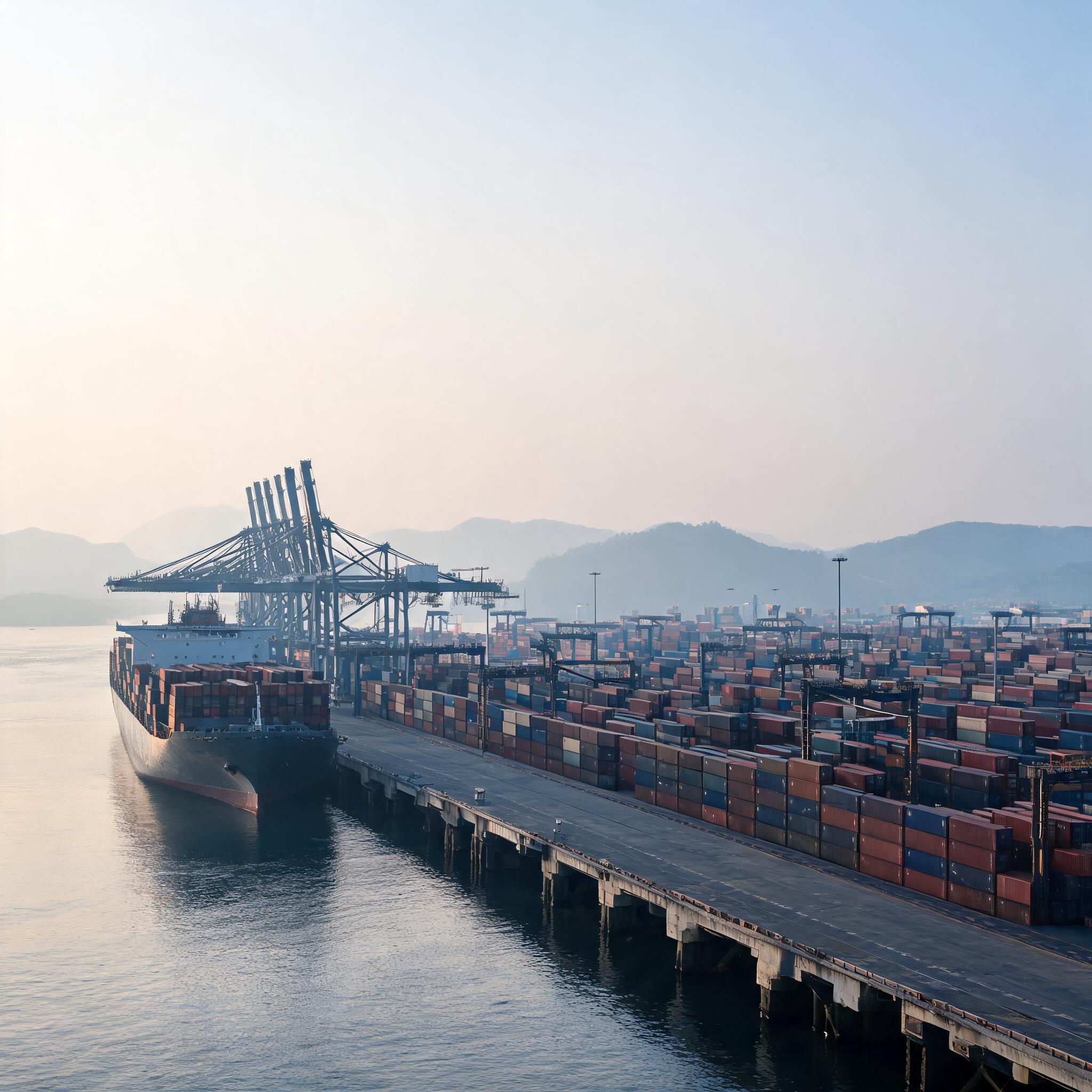
BRI-funded port upgrades in Dar es Salaam, Mombasa, and Gwadar are reducing container dwell times and improving throughput. For material importers, this means faster clearance, lower demurrage costs, and more predictable delivery schedules. The difference between a congested legacy port and an upgraded BRI port can be 7–14 days on a shipment's total transit time.
3. Quality Standards Are Converging
As Chinese contractors deliver BRI projects globally, they bring Chinese building material standards with them. Importers who understand both Chinese GB standards and local country codes have a clear advantage — they can bridge the compliance gap that often delays or derails procurement.
We have seen this pattern repeatedly in our own work: developers in Tanzania, Kenya, and Nigeria who align their material specifications with commonly available Chinese standards get faster quotes, shorter lead times, and fewer quality disputes than those insisting on bespoke Western specifications without justification.
What This Means for Your Procurement Strategy
Build Supplier Relationships Before the Project Starts
The developers winning BRI-adjacent contracts are not scrambling for suppliers after winning bids. They have pre-qualified factories and pre-negotiated pricing frameworks in place. Even a 2-month head start on supplier engagement can be the difference between meeting project timelines and facing costly delays.
Consolidate Across Categories
BRI projects rarely need just one material category. A port expansion requires concrete, steel, electrical systems, and hardware. A railway station needs flooring, ceiling systems, sanitary ware, and lighting. Consolidated sourcing — one partner handling multiple categories — reduces coordination complexity and logistics cost.
Invest in Logistics Intelligence
Knowing which BRI-upgraded ports offer the fastest clearance and the lowest congestion is actionable intelligence. We advise clients to factor port choice into their sourcing decisions — not just factory price. A slightly higher material cost routed through an efficient port can result in a lower total landed cost than a cheaper factory price shipped through a congested gateway.
Practical Takeaway
The Belt and Road Initiative is not a distant policy — it is an active force reshaping construction supply chains. Importers who align their sourcing strategies with BRI-driven infrastructure patterns, port upgrades, and standards convergence will be better positioned to win contracts and deliver on time.
How OneStopBuildly Fits In
We operate at the intersection of China's manufacturing strength and global construction demand. Our consolidated sourcing model — covering flooring, tiles, sanitary ware, cabinets, lighting, and hardware — is built for the scale and speed that BRI-era projects require. Contact us at cindy@onestopbuildly.com to discuss your next project.


