

-
-
ꁇHome Decoration Main Materials
-
ꁇCommercial Decoration Main Materials
-
ꁇGeneral Auxiliary Materials
-
ꁇHardware & Fittings
-
ꁇLighting & Electrical
-
ꁇDoors & Windows
-
ꁇSoft Decoration & Home Products
-
ꁇTools & Equipment
-
ꁇSpecial Engineering Materials
-
ꁇCustomer Service
-
ꁇSpecial Zones
-
Africa's Construction Boom — Why 2026 Is the Year to Source Smarter

The Numbers Behind Africa's Construction Surge
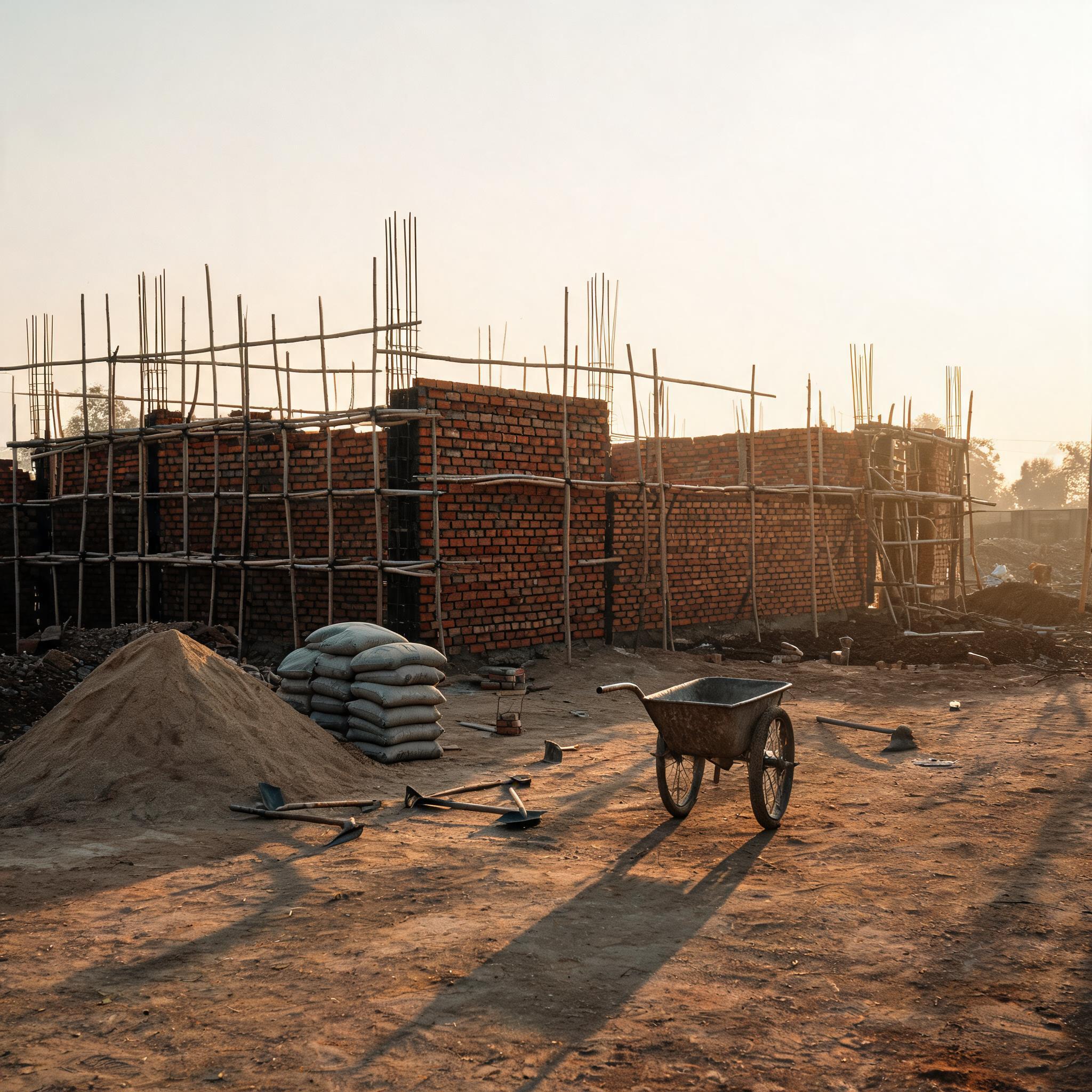
Across Africa, infrastructure and real estate spending is projected to surpass $200 billion in 2026, driven by rapid urbanization, government housing programs, and foreign direct investment. From Nairobi's expanding tech corridor to Lagos's large-scale residential developments, the demand for quality building materials has never been more urgent.
For importers and developers, this creates both opportunity and pressure. The projects are moving faster than most local supply chains can handle. Sourcing delays of even four weeks can ripple into months of construction setbacks.
The Real Bottleneck: Fragmented Sourcing
Most African developers still source materials the hard way: contacting individual factories for flooring, then separate suppliers for sanitary ware, then another vendor for lighting. Each supplier means separate negotiations, separate quality checks, separate shipping schedules, and separate invoices.
We have seen developers manage 8 to 15 separate purchase orders per project. That fragmentation is not just inconvenient — it costs money. Every additional supplier adds an estimated 12–18% in procurement overhead when you factor in communication time, sample coordination, quality control visits, and logistics management.

How Consolidated Sourcing Changes the Equation
1. One Partner, One Order, One Shipment
Instead of coordinating with multiple factories, a consolidated sourcing model allows you to place one order covering all categories — flooring, tiles, sanitary ware, cabinets, lighting, and hardware. Your order is assembled across certified factories, quality-checked at a central hub, and shipped as a single consolidated container load.
2. Faster Lead Times
When materials are sourced through a single coordination point, production scheduling becomes parallel instead of sequential. In practice, this can reduce total procurement lead time by 20–30% compared to managing separate suppliers.
3. Lower Total Landed Cost
Consolidation reduces per-unit logistics costs. A 40-foot container that mixes flooring, sanitary ware, and lighting is far more cost-efficient than three separate partial shipments. For a typical mid-size hotel project, this can translate to $15,000–$30,000 in logistics savings alone.
We supplied 14 product categories for a 5-star hotel renovation in Dubai — consolidated into 18 containers with zero material-related delays. The developer saved an estimated 30% on procurement overhead. The same model applies directly to African hospitality and residential projects.
What Smart Buyers Are Doing Differently in 2026
Through conversations with developers across Kenya, Nigeria, Tanzania, and Ghana, we have identified three practices that consistently deliver better outcomes:
- Early supplier engagement. Developers who involve their sourcing partner during the design phase — not after — get better pricing, more material options, and realistic lead time estimates from day one.
- Bulk commitment with phased delivery. Committing to a project's full material requirement upfront unlocks volume pricing, while phased shipping keeps cash flow manageable and site storage under control.
- Quality verification before shipping. Third-party inspection at the consolidation hub catches issues before containers leave the port — a step that prevents costly surprises on site.
Key Takeaway for Importers
Africa's construction boom is not a short-term spike — it is a structural shift. Developers who build reliable, consolidated supply chains now will have a lasting cost and time advantage over competitors still managing fragmented supplier networks. The sourcing decisions you make in 2026 will shape your project economics for years to come.
Ready to Source Smarter?
At OneStopBuildly, we work with developers across Africa and the Middle East to consolidate material procurement into a single, transparent workflow. Whether you need flooring for a residential tower in Lagos or full interior materials for a hotel in Nairobi, we handle sourcing, quality control, and shipping — so you can focus on building.
Contact us at cindy@onestopbuildly.com for a project consultation, or browse our recent project cases to see our model in action.


